 Technical Fies
TIPS
Many thanks for your trust, We will contact you as soon as we see the information
Technical Fies
A hotel lobby can have marble, custom millwork, and carefully selected finishes, yet still feel flat the moment the lighting is wrong. Guests may not describe the problem in technical terms, but they notice it immediately - glare at reception, dim corridors, harsh downlights at breakfast, and guest rooms that never feel fully restful. That is why architectural lighting systems for hotels need to be specified as part of the architecture itself, not treated as a final layer added after the interiors are complete.
For hospitality projects, lighting has to do more than provide visibility. It must support circulation, reinforce brand positioning, improve visual comfort, and adapt to different operational needs throughout the day. In premium hotel environments, that means combining architectural aesthetics with precise LED performance, consistent illumination, and fixture flexibility that works across public and private spaces.
Hotel lighting is rarely a single-design problem. It is a collection of different tasks, moods, and user expectations that exist within one property. The lighting strategy for a five-star arrival experience is not the same as the strategy for a business hotel corridor or a boutique guest room with layered decorative accents. A successful system creates cohesion while allowing each area to perform on its own terms.
In practical specification work, three factors matter most. First, visual comfort must be protected. Hotels are occupied for long periods, often by guests who are tired, jet-lagged, or using the space in low-light hours. Excessive brightness, direct view of LED sources, or poor beam control quickly reduce perceived quality.
Second, the system has to support the interior concept. Lighting should reveal material textures, vertical surfaces, artwork, and architectural lines without competing with them. Clean fixture geometry, minimal visual clutter, and controlled distribution are especially important in high-end hospitality projects where the ceiling design is part of the brand expression.
Third, operations cannot be ignored. Maintenance access, energy use, dimming compatibility, fixture consistency, and installation tolerances all affect long-term performance. Beautiful lighting that becomes difficult to maintain or impossible to re-aim is a specification mistake, not a design win.
A hotel should not be lit evenly from end to end. Different zones require different fixture types, output levels, beam angles, and shielding strategies.
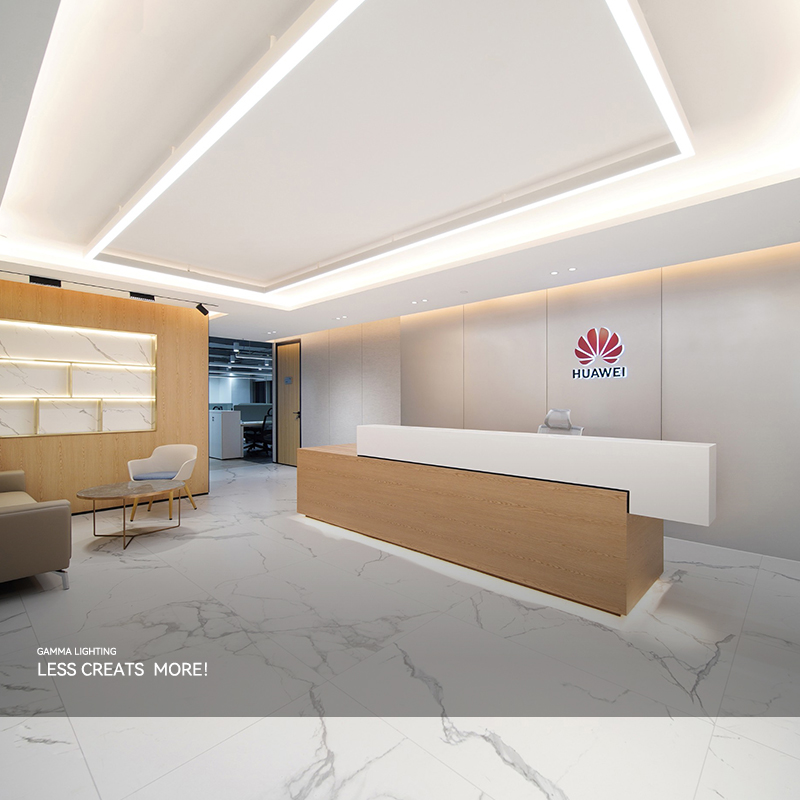
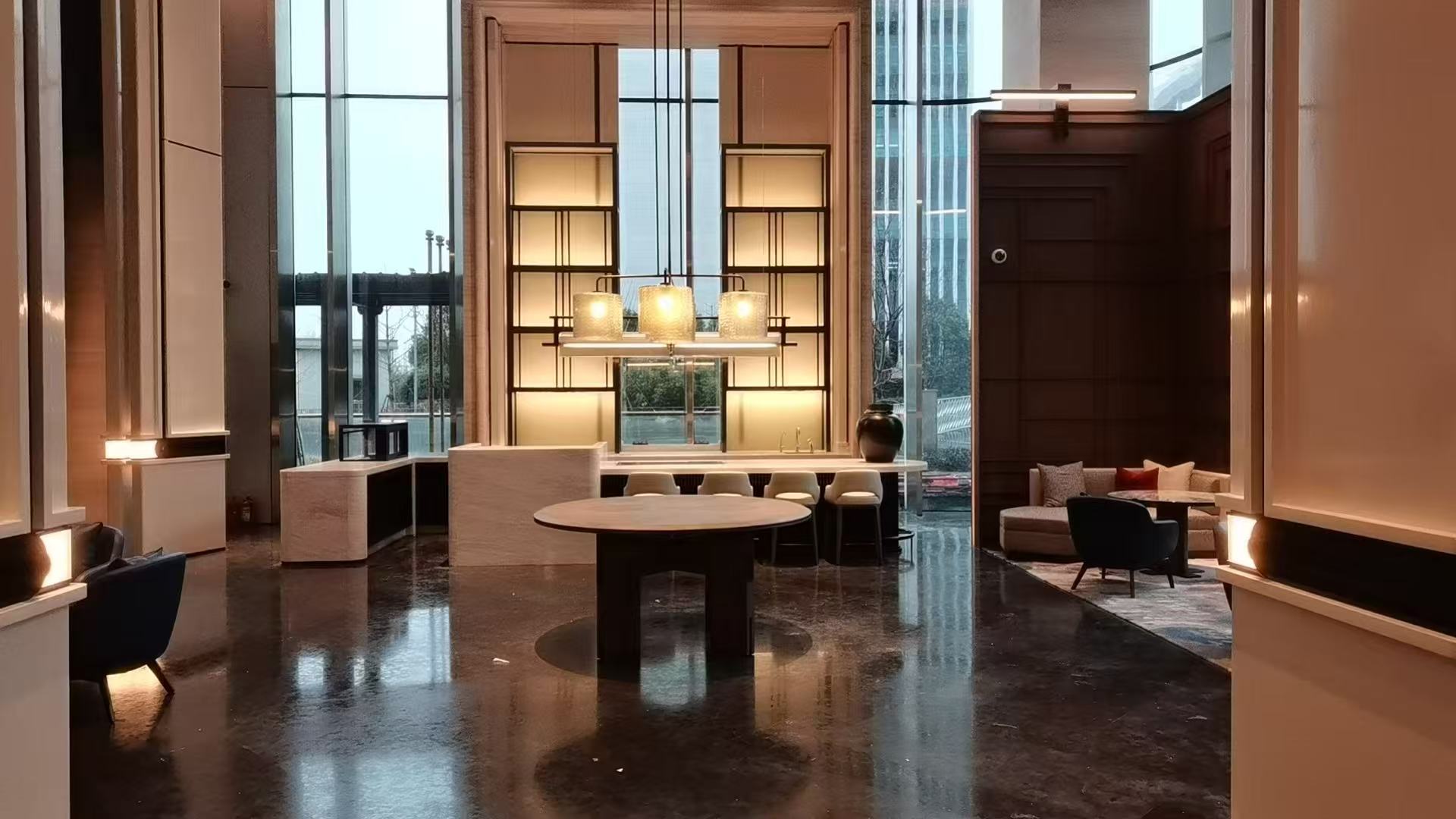
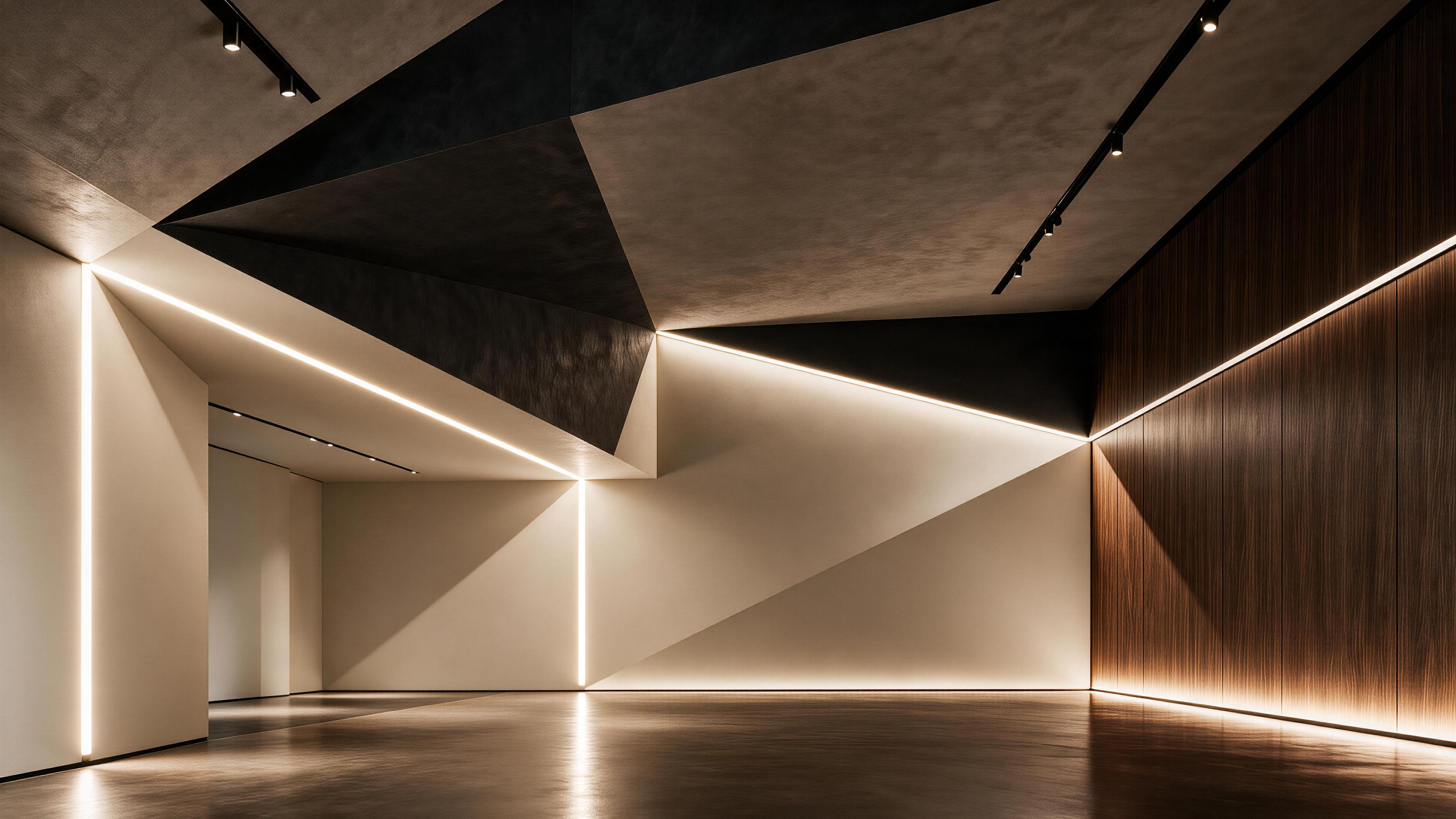
The lobby sets the visual and emotional baseline for the entire property. This is where architectural lighting should create depth, hierarchy, and orientation. General ambient light must be comfortable rather than flat, while focal lighting should emphasize reception desks, feature walls, art, floral displays, and textured finishes.
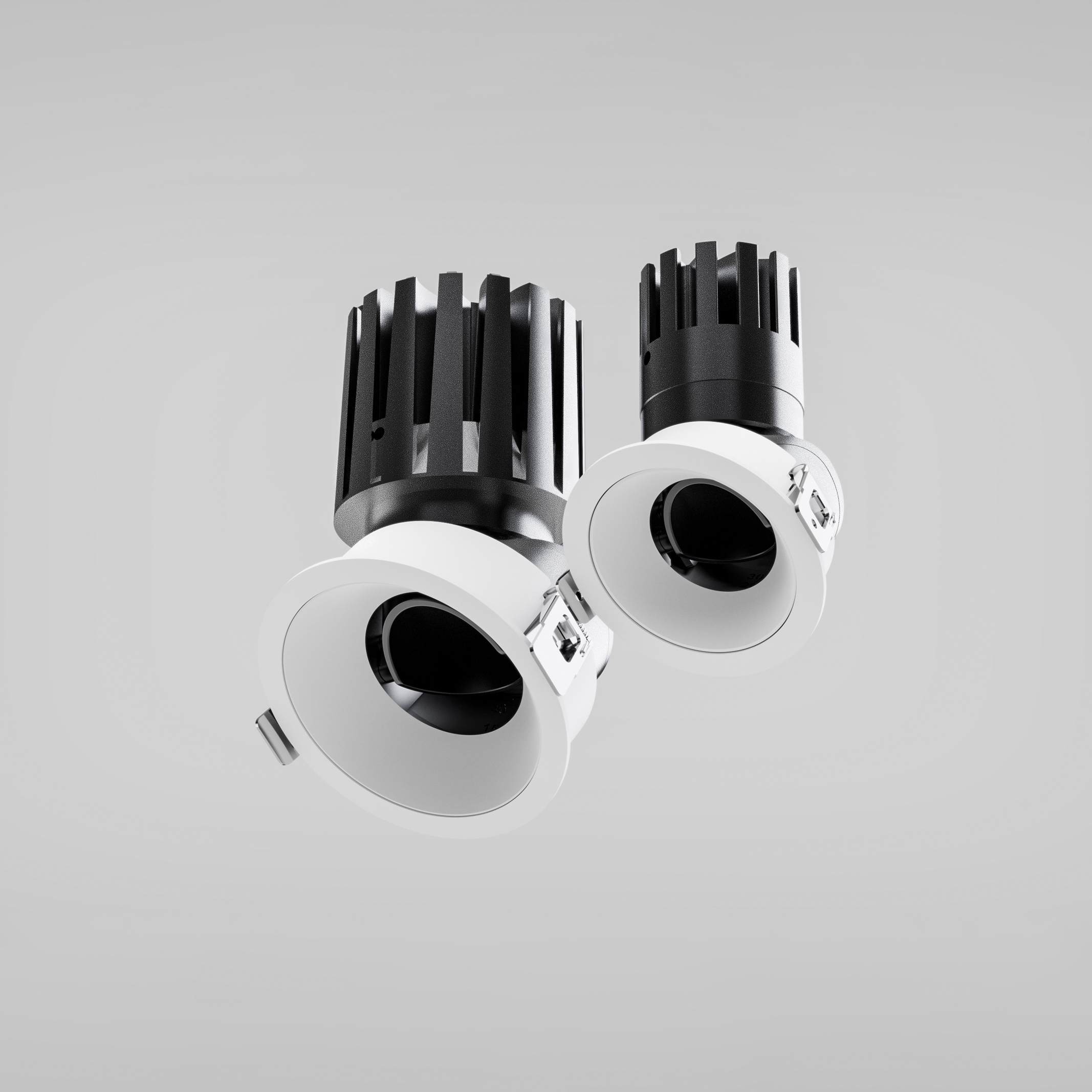
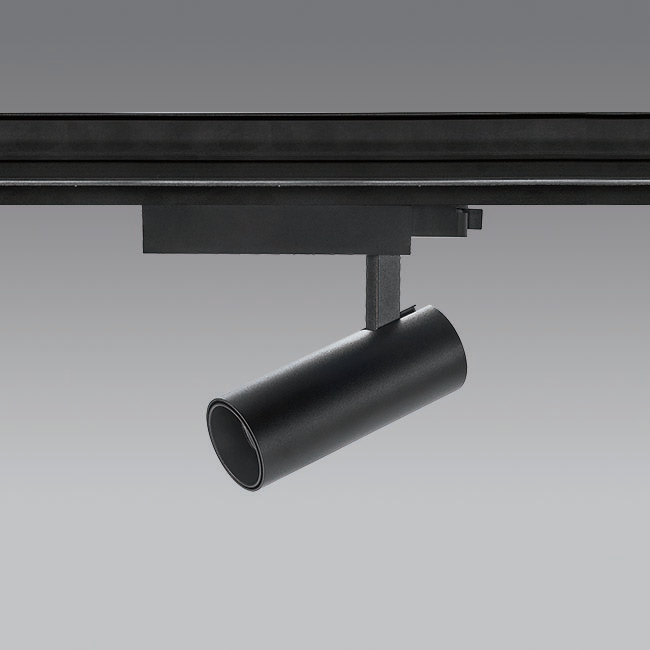
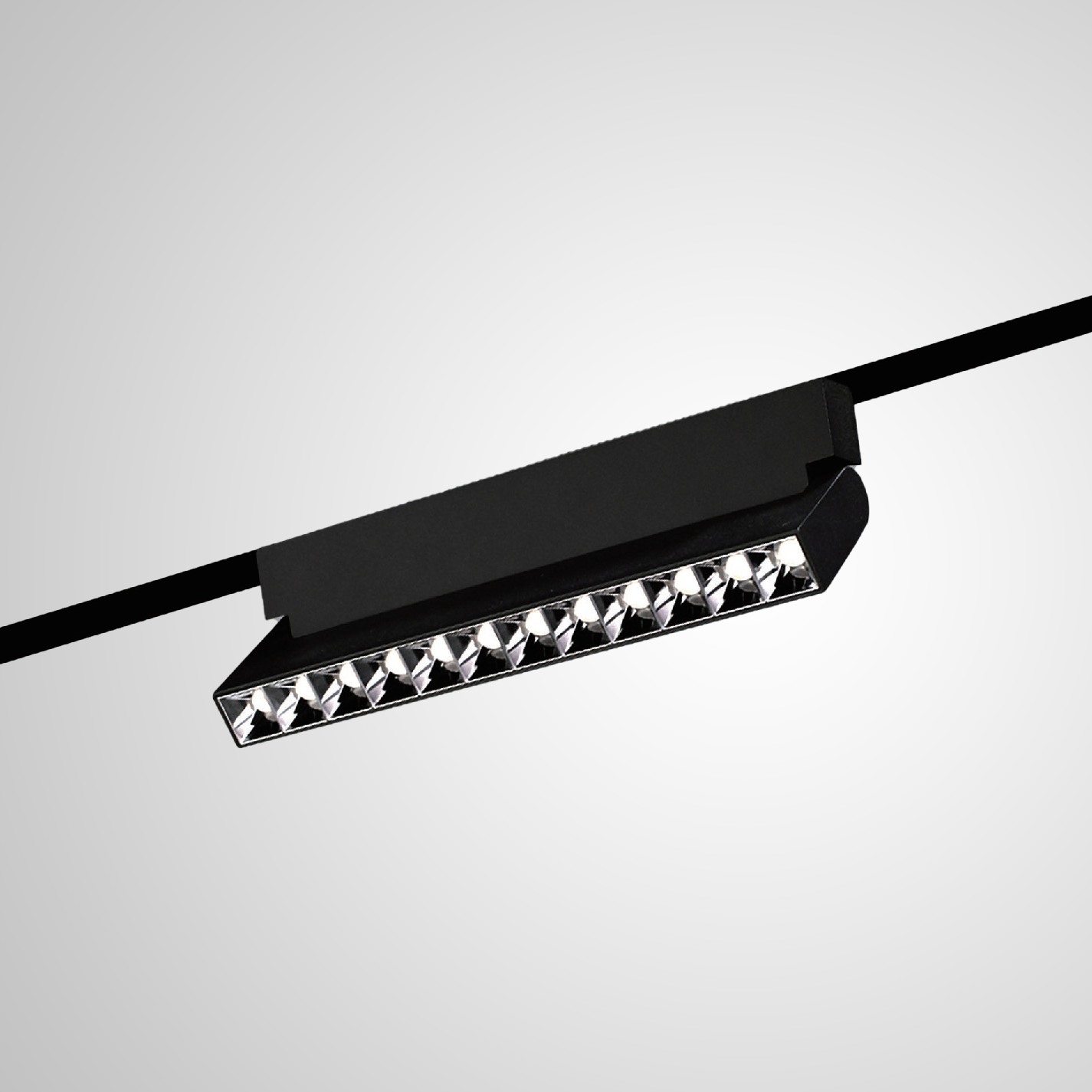
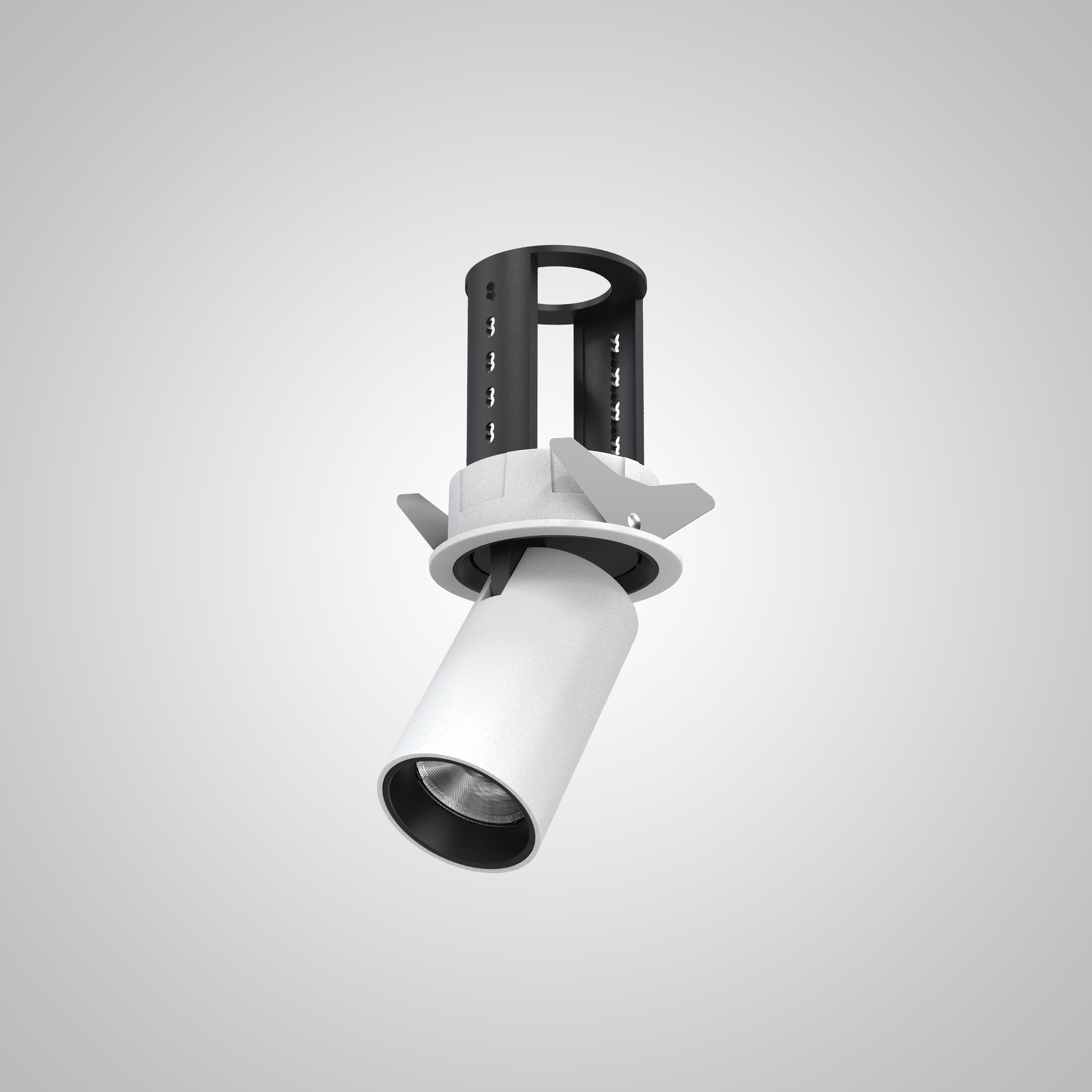
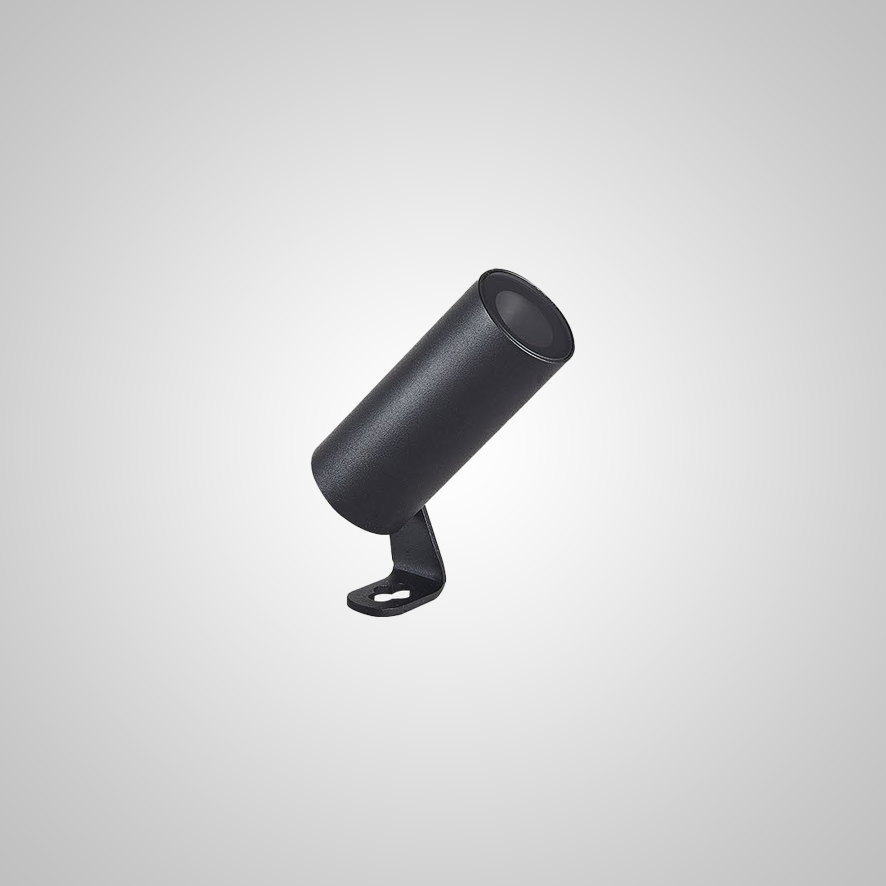
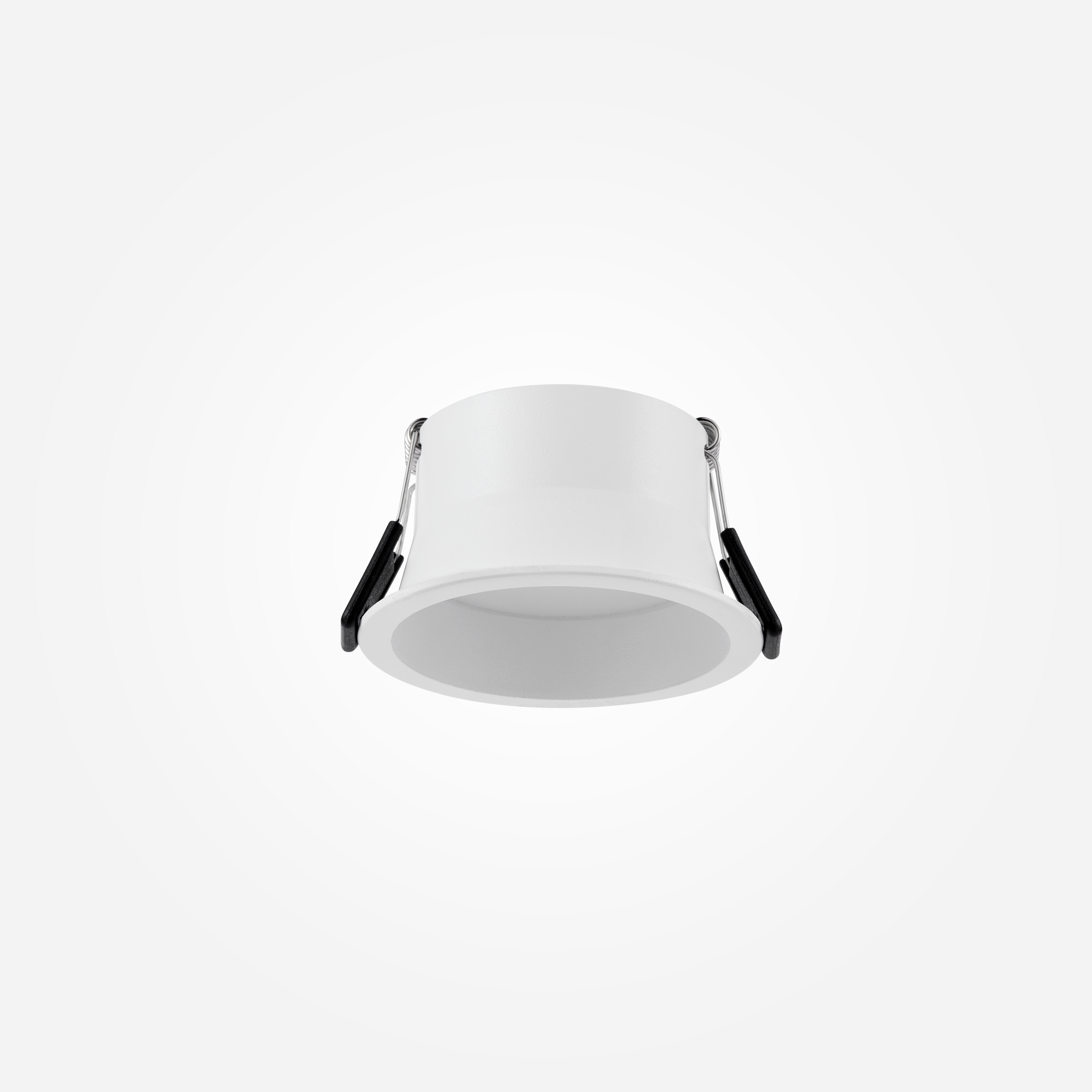
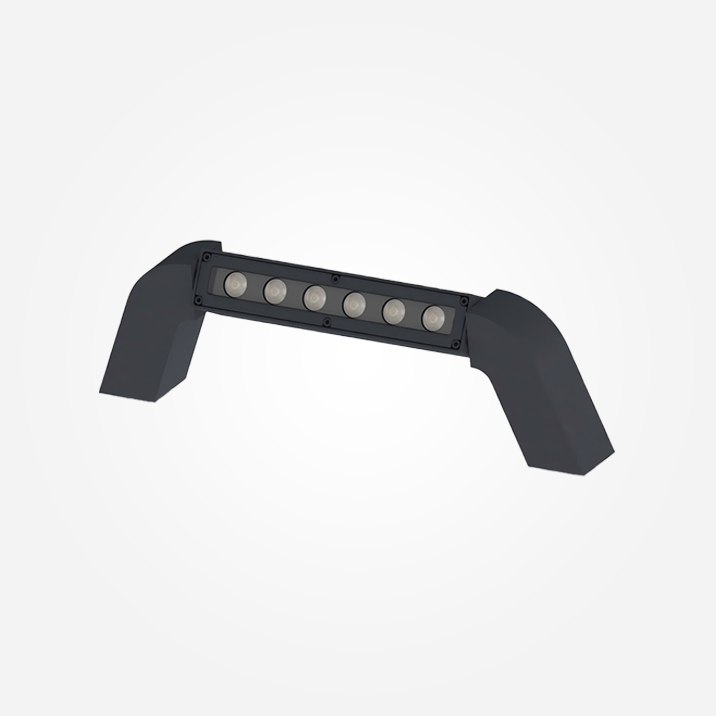
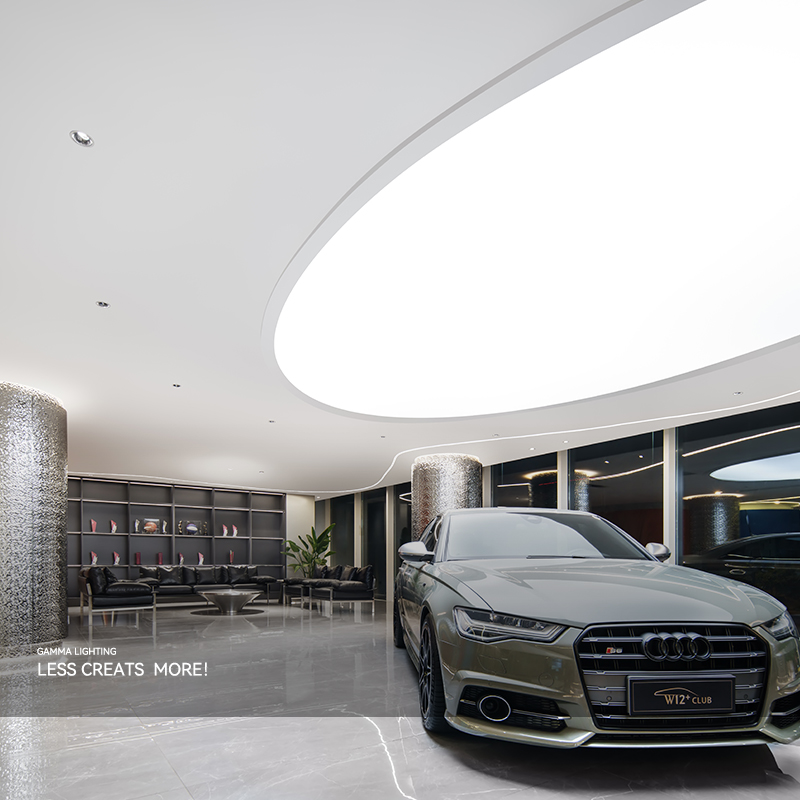
Track lights and adjustable spotlights are often strong choices in these spaces because they offer aiming flexibility and allow the lighting to respond to changing layouts or seasonal display updates. Where ceilings are more formal or minimal, recessed downlights and grille spotlights can maintain a clean architectural appearance while delivering precise accent lighting. Anti-glare performance is especially important here because guests frequently look upward while navigating a large volume space.
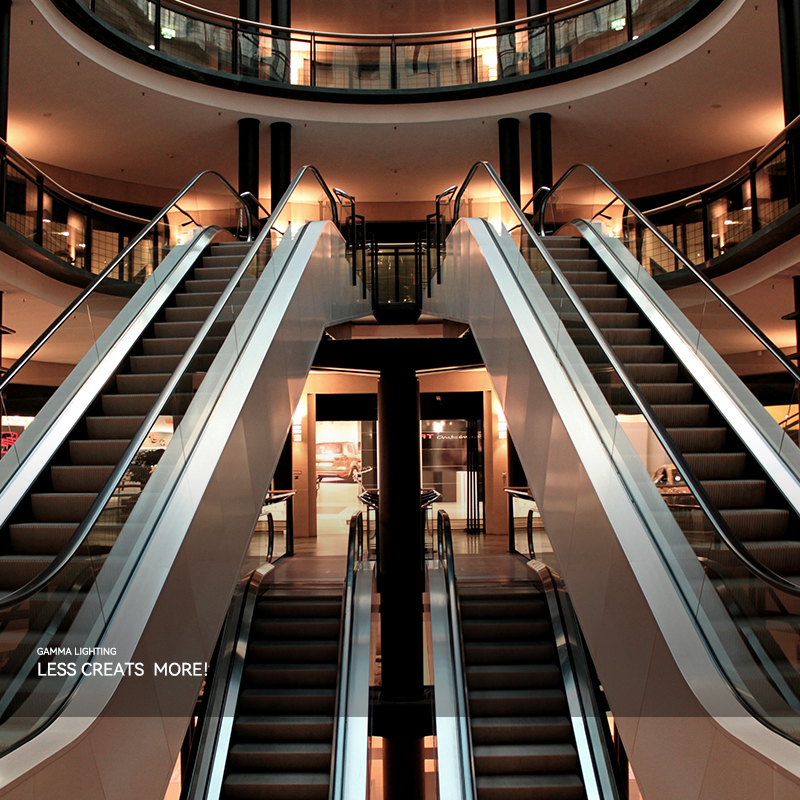
Corridors are often underdesigned, yet they strongly influence the guest experience. Poorly lit circulation areas can feel institutional, while overlit corridors can feel exposed and uncomfortable. The right approach usually favors calm, consistent illumination with strong wall washing or vertical emphasis to reduce the tunnel effect.
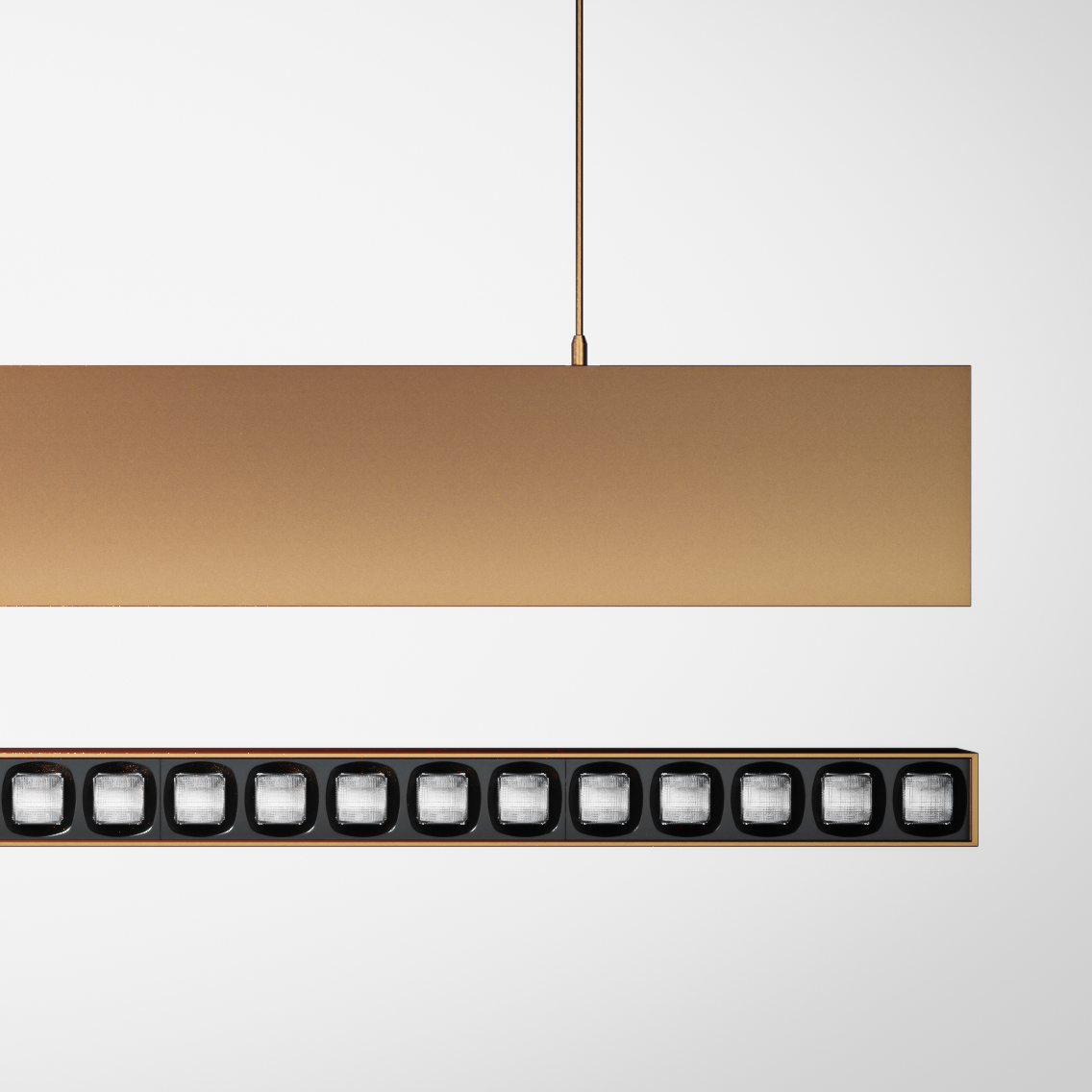
Uniformity matters, but complete flatness does not. Subtle rhythm from recessed downlights, integrated cove details, or wall-focused lighting can create direction without visual fatigue. The trade-off is that decorative drama should stay controlled. Corridors need orientation and comfort first.
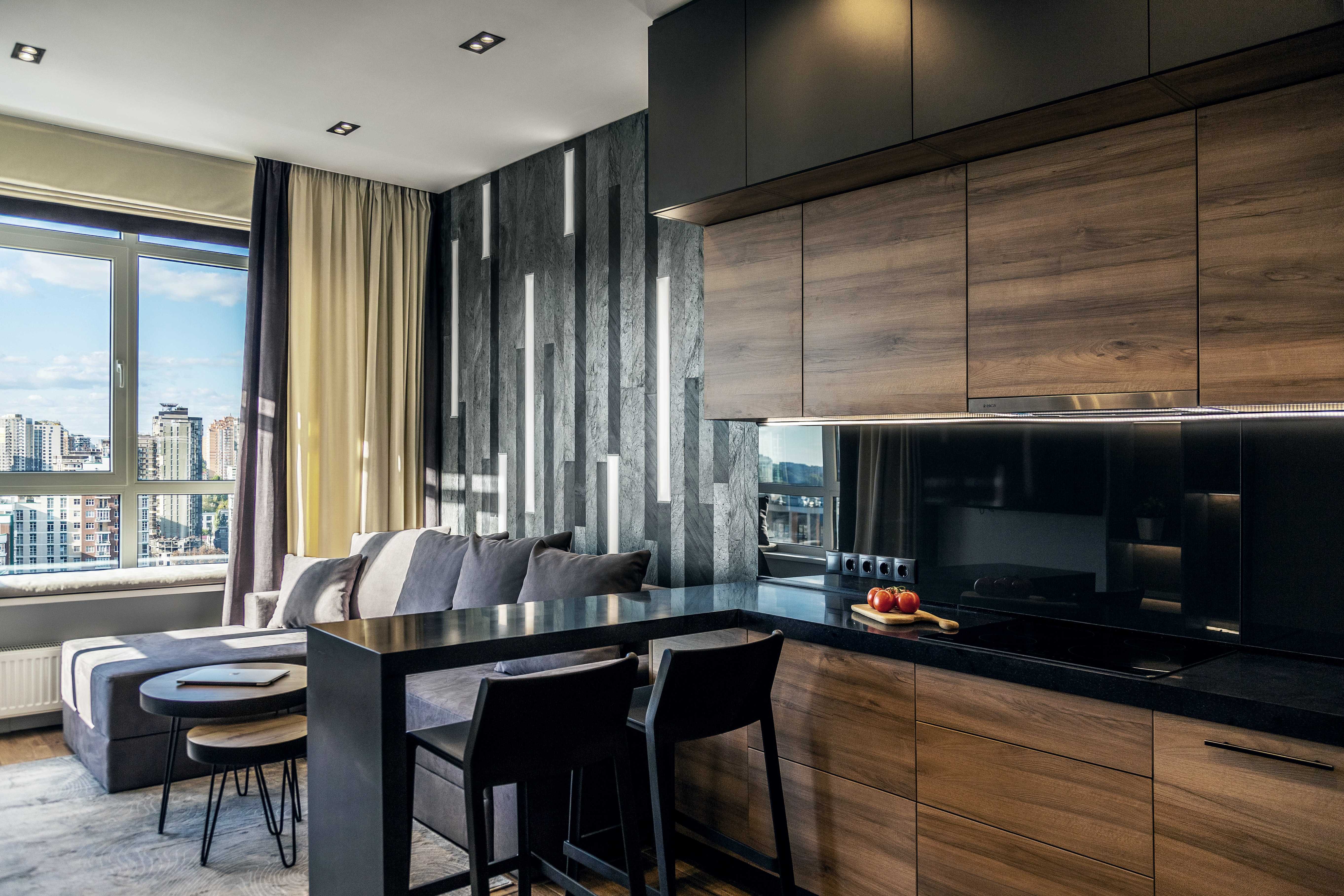
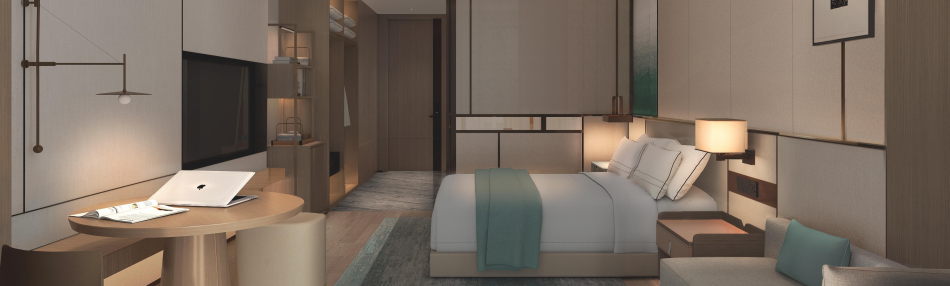
Guest room lighting is more complex than many specifications suggest. A room must support arrival, luggage handling, reading, dressing, work, relaxation, and night-time use. One central fixture cannot do all of that well.
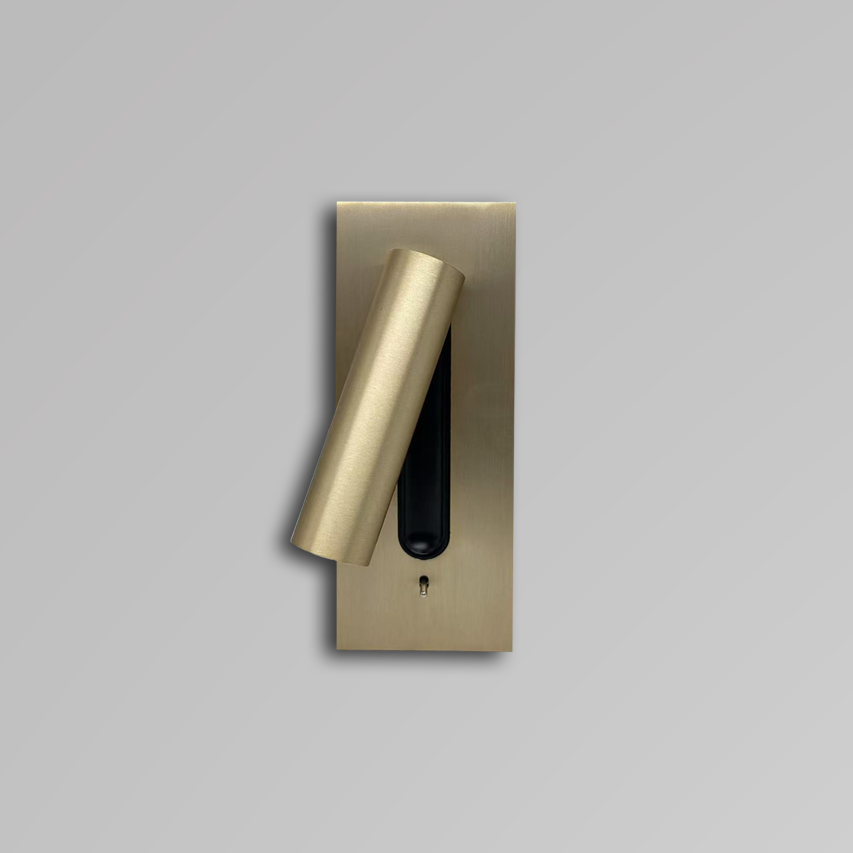
Layered lighting is the better solution. Downlights can provide general ambient light, reading lamps deliver targeted task lighting at the bed, and accent fixtures can highlight headboards, artwork, or shelving. If the hotel positions itself as premium, dimming and scene control become more than convenience features - they are part of the comfort standard.
This is also where glare control becomes critical. Bedside viewing angles are unforgiving, and exposed light sources quickly reduce the sense of rest. Low-glare luminaires, careful beam placement, and soft light distribution improve perceived luxury more than simply increasing output.
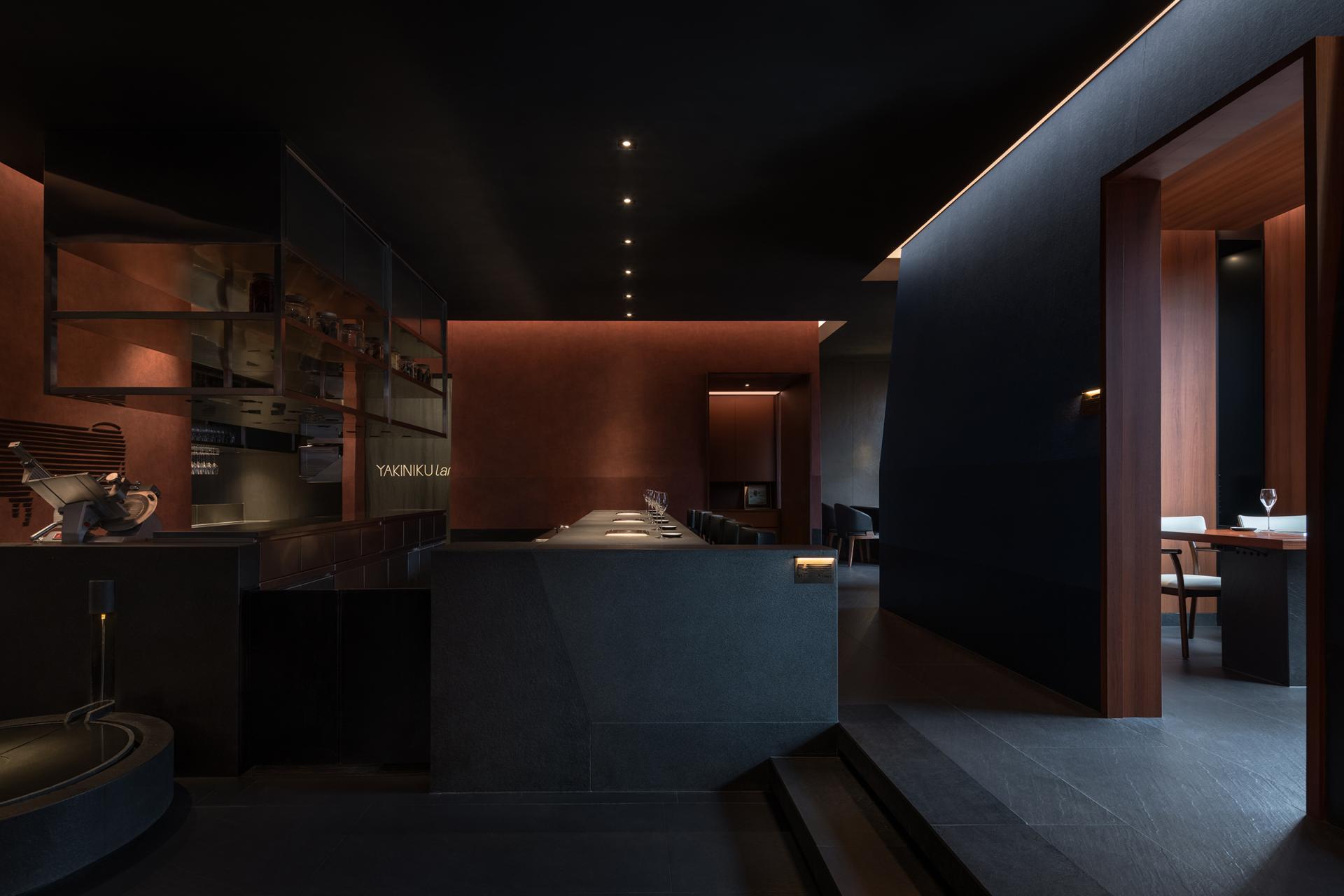
Hospitality food-and-beverage areas need balance. During breakfast, visibility and freshness matter. At dinner, atmosphere takes priority. In bars and lounges, contrast often becomes part of the identity.
Architectural lighting systems for hotels should allow these spaces to shift in character without losing consistency. Adjustable spotlights, low-glare downlights, and layered indirect lighting help create this flexibility. The challenge is avoiding hot spots on tables, shadowed faces, or overly dark circulation paths. Good lighting in restaurants is never just about mood. It also affects how food, finishes, and people are perceived.
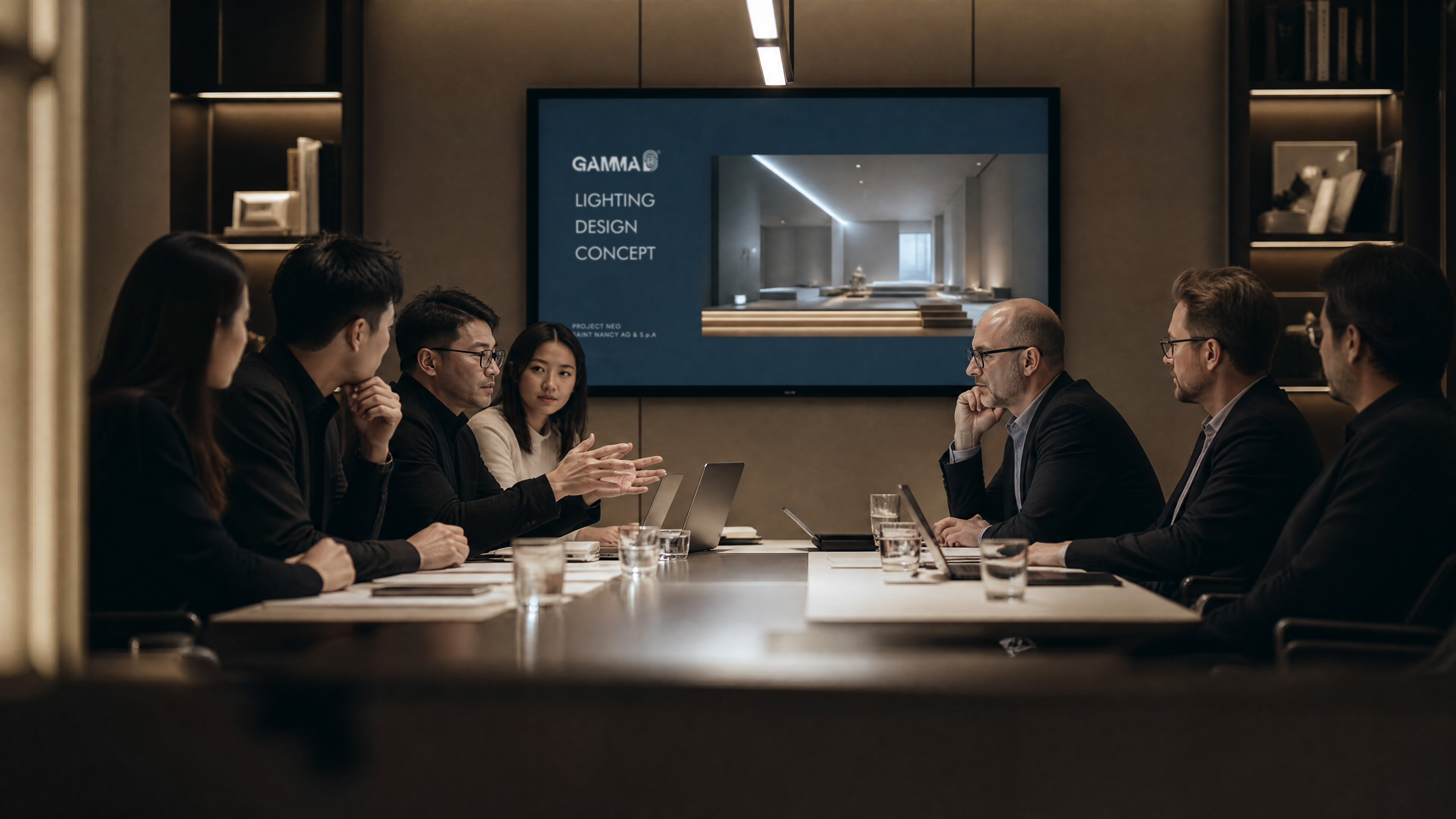
Business-oriented hospitality requires lighting that adapts quickly. Meetings, presentations, events, and private dining functions all place different demands on the same room. Here, flexibility in beam control, zoning, and dimming is essential.
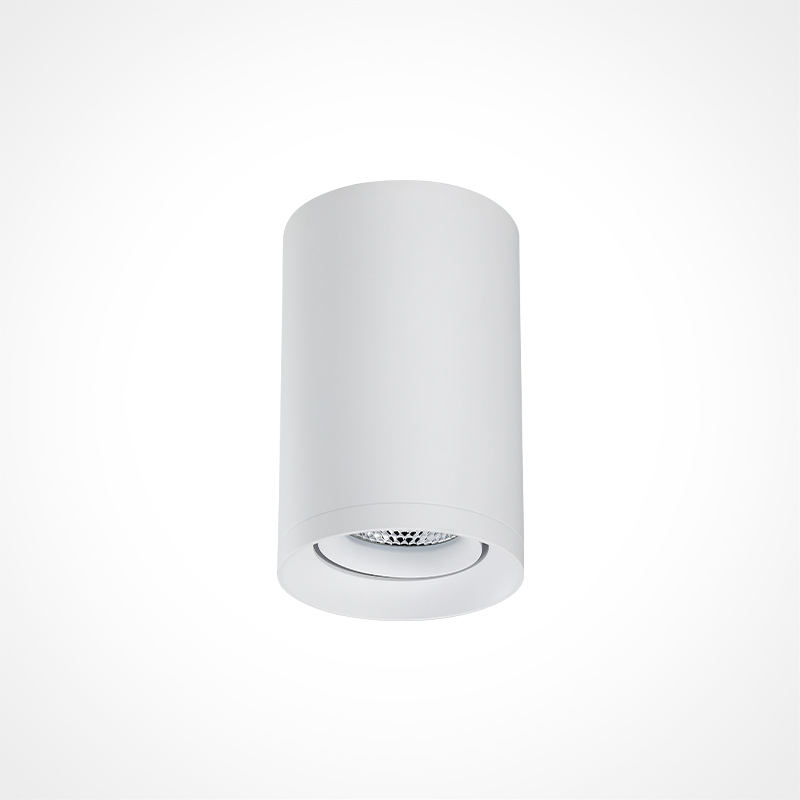
A combination of general illumination and focused accents usually performs best. Surface-mounted or recessed architectural fixtures can maintain a professional appearance while allowing the space to remain useful across different layouts. If the hotel hosts frequent events, easy reconfiguration is often more valuable than a fixed decorative effect.
The hotel experience starts before the entrance door. Exterior lighting should guide vehicles and pedestrians, support security, and reveal the building form without visual clutter or excessive brightness. Facade lighting, canopy illumination, and landscape integration should work together as one system.
The specification here depends heavily on architecture and local environmental conditions. In many projects, outdoor fixtures must balance durability, beam precision, and restrained visual impact. Too much facade light can feel theatrical in the wrong way. Too little can weaken the property’s presence.
A common mistake in hotel projects is trying to solve lighting problems by adding more fittings. More luminaires do not automatically create better environments. In fact, they often produce more glare, more maintenance points, and less visual clarity.
Specification-grade fixtures perform differently because optical control, shielding, adjustability, and finish quality are designed for the application. A well-engineered spotlight with accurate aiming and soft beam edges can do more useful work than several lower-quality fittings. The same is true for downlights. Cut-off angle, reflector design, color consistency, and dimming behavior all affect how the space feels once the project is occupied.
For architects and operators, this has a commercial impact. Better fixture performance can improve perceived quality while reducing overlighting and unnecessary energy use. It can also preserve the ceiling design by limiting the number of visible luminaires.
Standard products can cover many hotel applications, but hospitality projects rarely fit a standard template. Ceiling depths vary. Joinery details change. Decorative concepts evolve during design development. Public areas may require one trim finish, while guest rooms need another. In some projects, beam spread or mounting detail matters just as much as output.
That is why customization is often a practical requirement rather than a premium add-on. Modified dimensions, housing finishes, control compatibility, special mounting solutions, or application-specific optics can help the lighting integrate properly with the architecture. For project teams working under tight brand standards, this flexibility reduces compromise.
This is also where a technical lighting partner adds value. Gamma Lighting, for example, works with project stakeholders as part of the specification process, supporting custom solutions and application-driven product selection instead of pushing generic fixtures into specialized spaces.
The best hotel lighting schemes are not defined by how many fixture categories they include. They are defined by how clearly they answer the needs of each space while still feeling coherent across the property. That requires close attention to anti-glare performance, beam precision, color quality, architectural integration, and maintenance logic.
It also requires accepting that trade-offs exist. A dramatic ceiling effect may reduce flexibility. A very minimal fixture selection may limit scene variation. High-output fittings may simplify counts but weaken comfort if shielding is poor. Good specification work weighs these decisions early, before they become site problems.
Hotels are judged constantly - by arriving guests, by operators managing costs, by designers protecting the concept, and by developers measuring long-term value. Lighting sits at the center of all four. When the system is engineered with the architecture, the result is not just illumination. It is a space that feels intentional from the first step inside.