 Technical Fies
TIPS
Many thanks for your trust, We will contact you as soon as we see the information
Technical Fies
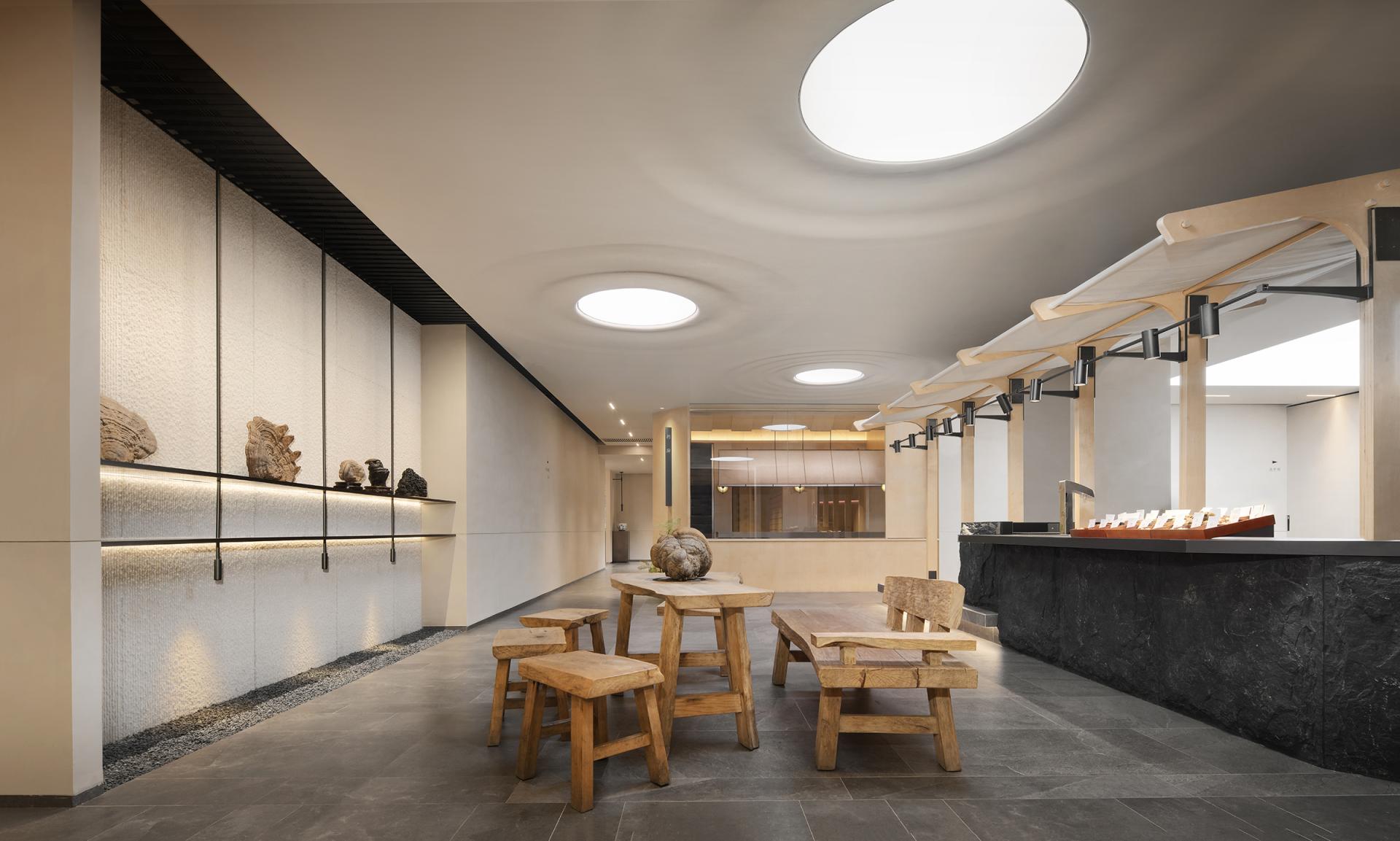
A luxury lobby can have excellent finishes, carefully selected furniture, and a strong material palette, yet still feel uncomfortable if guests instinctively shield their eyes from ceiling spotlights. That is the practical value of anti glare LED spotlight design: it directs attention to the architecture, merchandise, art, or task surface rather than to the light source itself. For commercial interiors, glare control is not a decorative upgrade. It is a core requirement for visual comfort, perceived quality, and usable illumination.
Glare occurs when a luminaire presents excessive brightness within the field of view or creates a harsh contrast between the illuminated source and its surroundings. A spotlight may achieve the required light level on paper while still producing visual fatigue, reflections, and an overly technical ceiling appearance. This is especially noticeable in hospitality lounges, restaurants, galleries, executive offices, and premium retail environments where people remain in the space for extended periods.
An effective anti-glare LED spotlight controls the relationship between the LED, reflector, lens, housing, and viewing angle. The objective is not simply to make the fixture dimmer. It is to place high-intensity components deeper inside the luminaire, shape the outgoing beam precisely, and reduce direct exposure to the source from normal sightlines.
The result is a more composed visual environment. Walls can carry soft gradients, merchandise can receive crisp accents, and artwork can be illuminated without a bright aperture competing for attention. In high-end projects, this restraint is often what makes lighting feel integrated with the architecture rather than added after it.
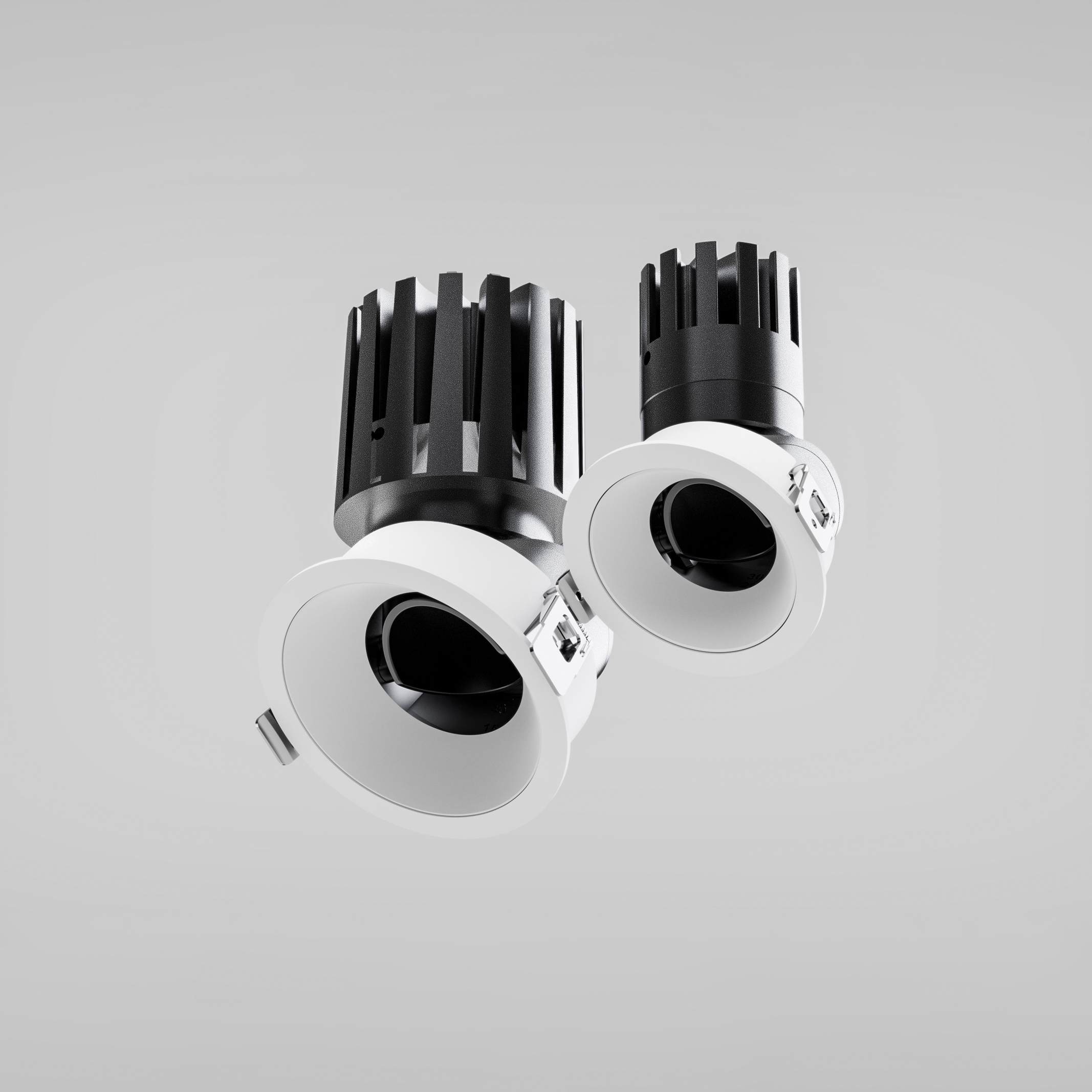
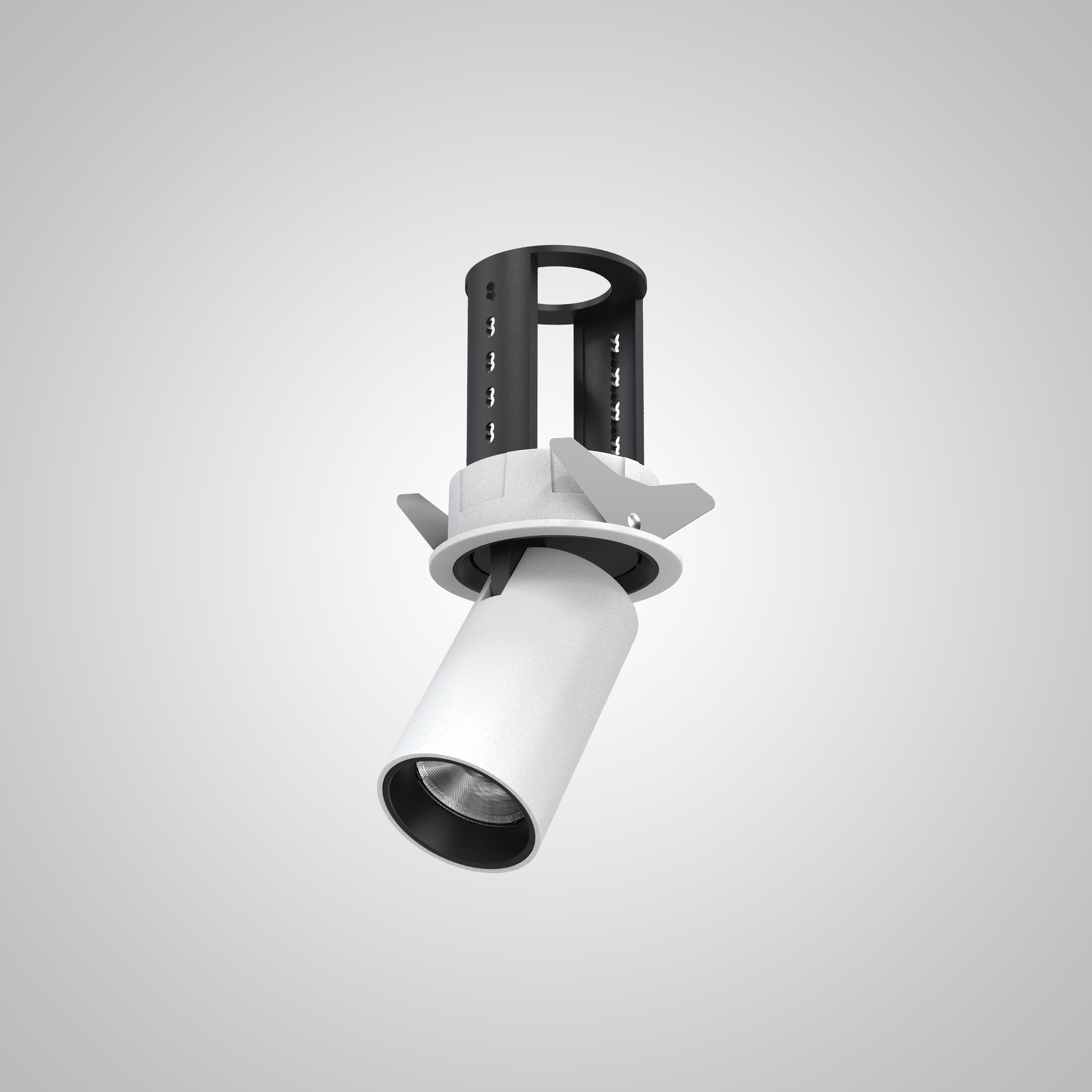
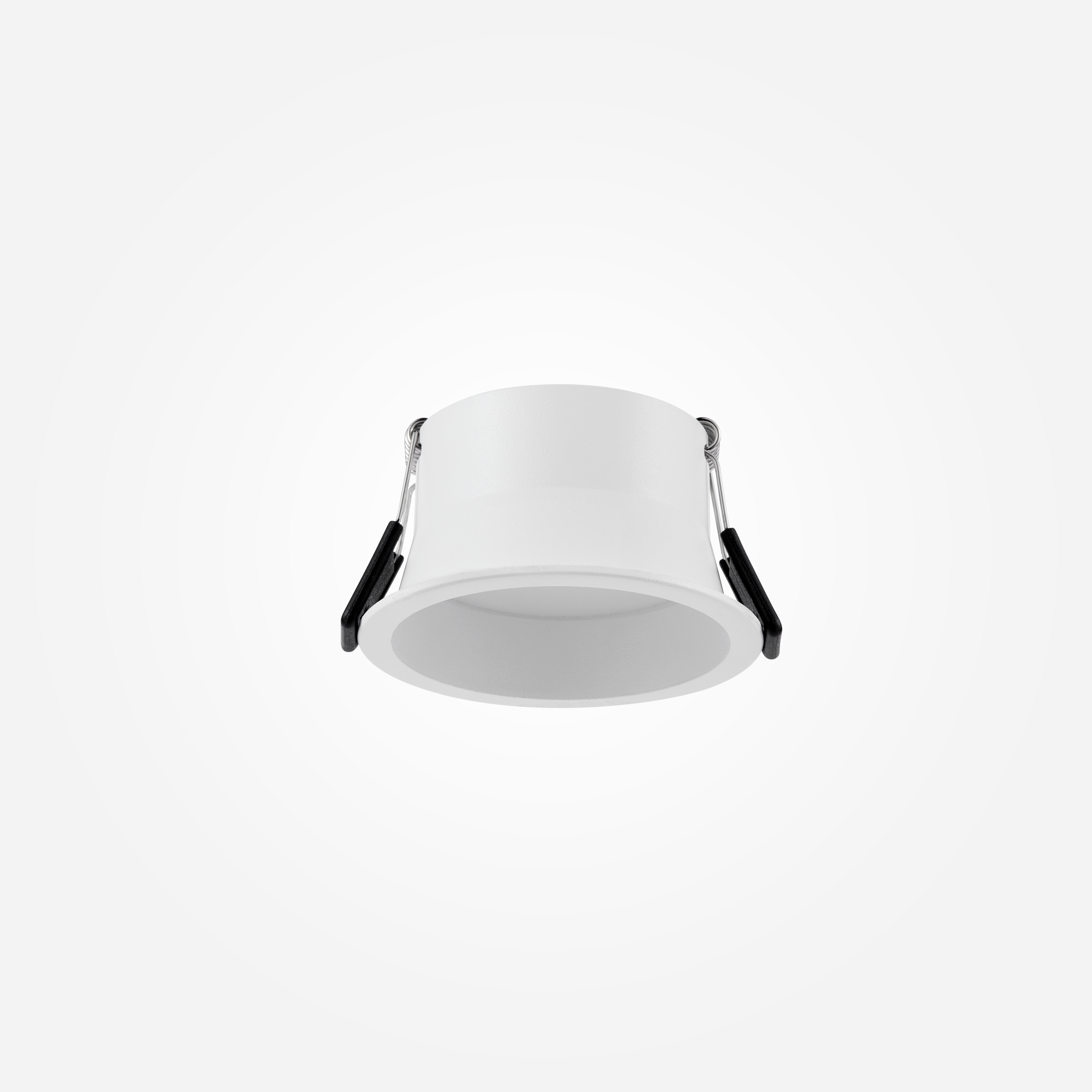
The most fundamental glare-control strategy is a deep-set LED position. When the light-emitting surface sits behind the front plane of the fixture, the housing creates a shielding angle that limits direct visibility. A deeper recess generally improves visual comfort, but it also affects fixture depth, thermal design, beam distribution, and ceiling coordination.
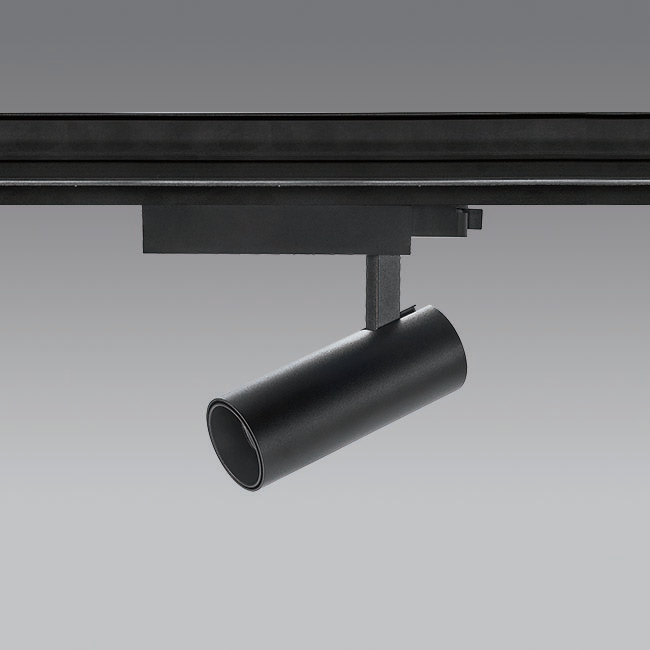
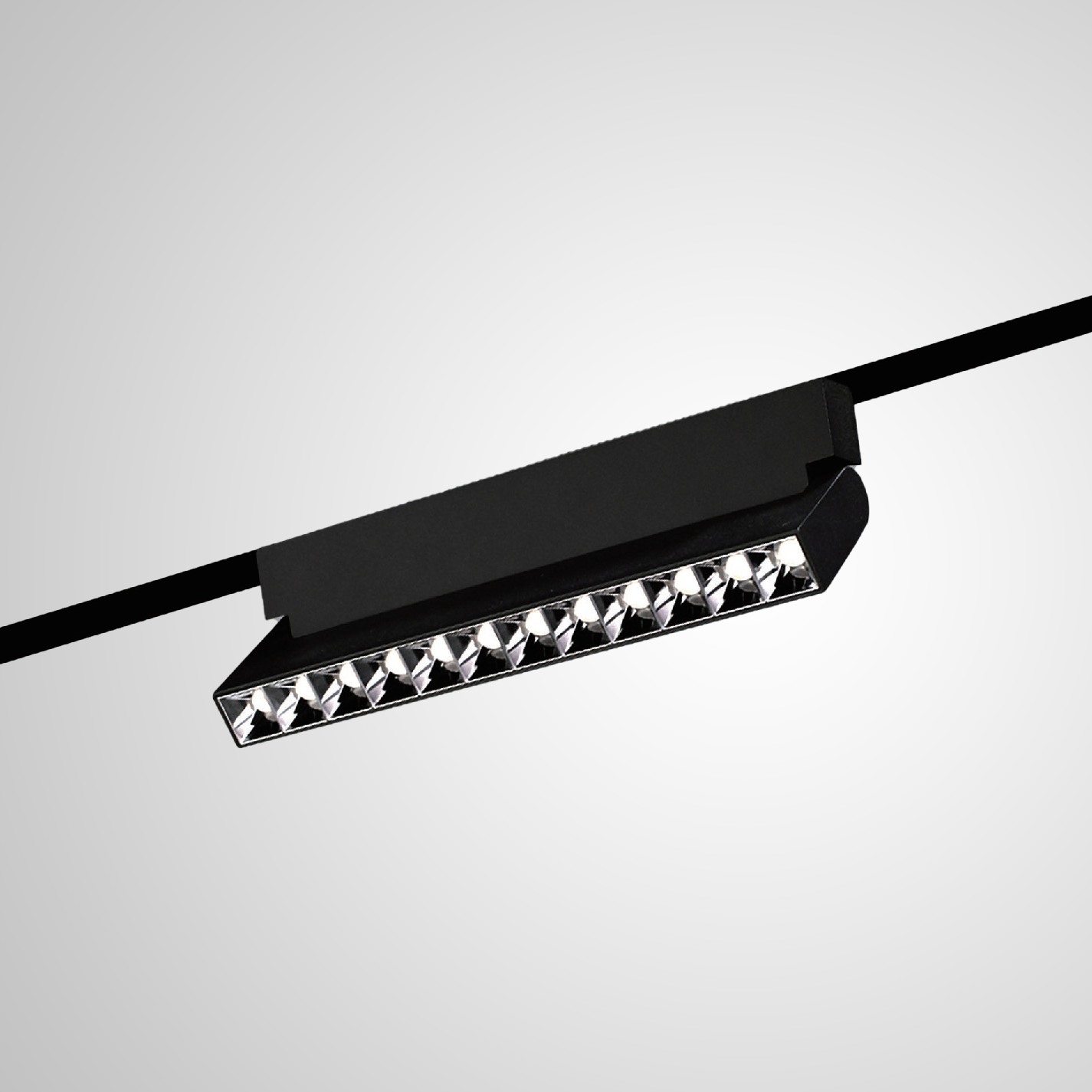
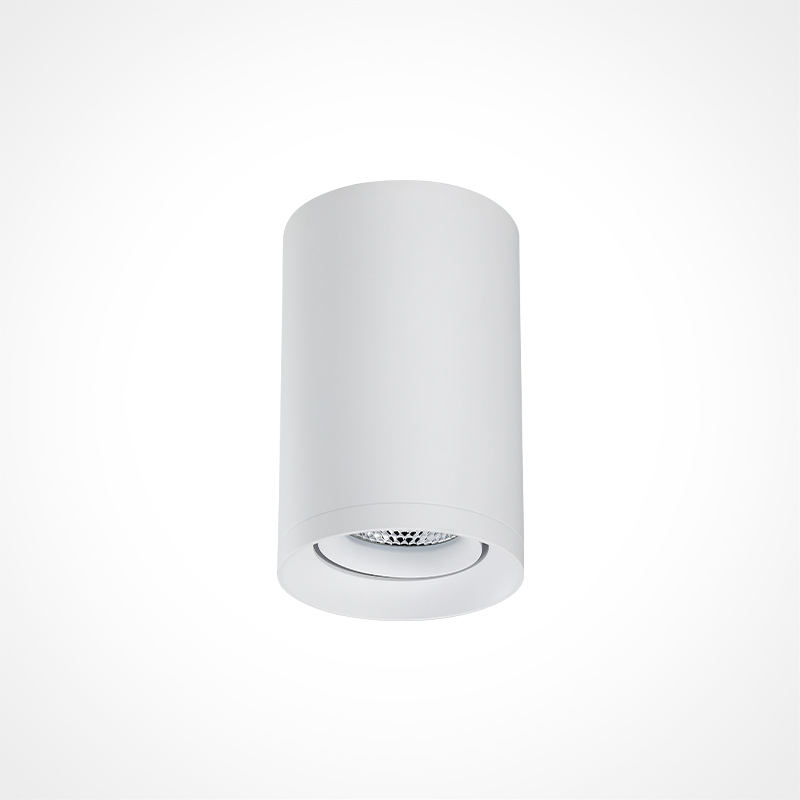
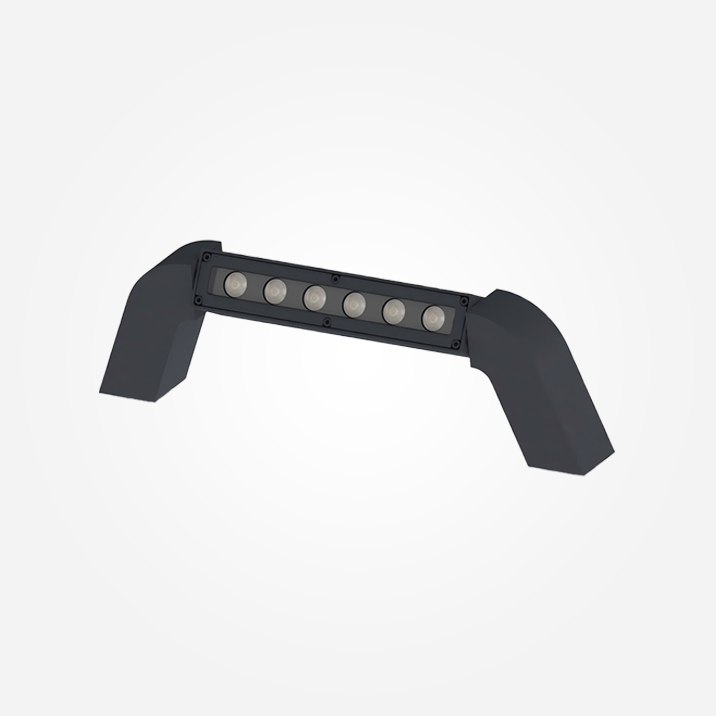
For shallow ceiling voids, designers may need to balance recess depth against installation constraints. Surface-mounted and track-mounted spotlights can provide more room for a deeply recessed optical system, making them useful where anti-glare performance is critical but recessed installation is impractical.
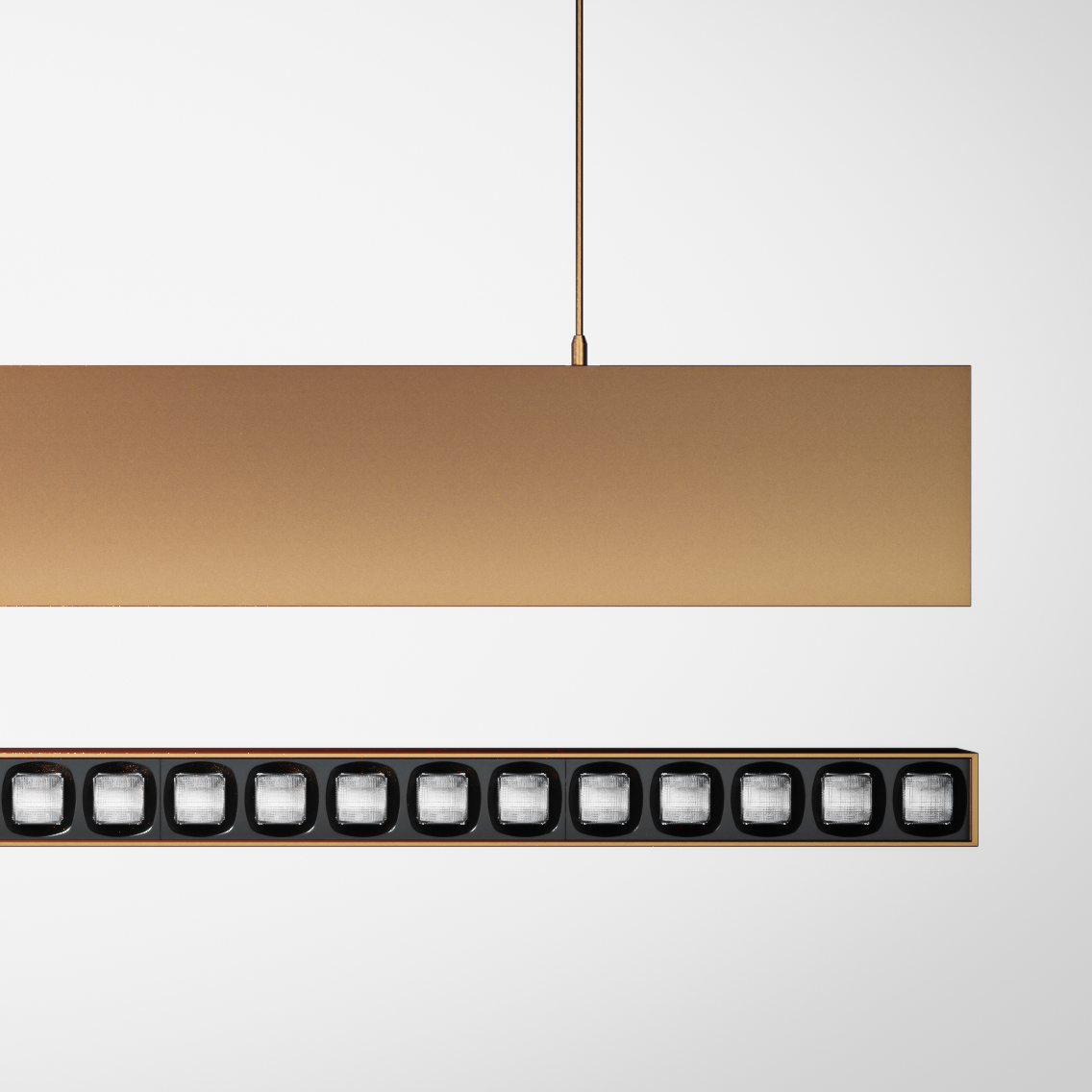
Honeycomb louvers, also called anti-glare grids, reduce visible brightness by blocking off-axis views into the optical chamber. Black reflectors, black baffles, and dark internal finishes further absorb stray light and reduce aperture brightness. These components are particularly effective in galleries, showrooms, and restaurants, where fixtures are often visible from multiple directions.
However, accessories should be specified with care. A louver can slightly reduce light output and may narrow the perceived beam edge. If the lighting calculation is already close to the required illuminance level, the designer should account for this loss rather than compensate later with excessive fixture quantity or higher wattage.
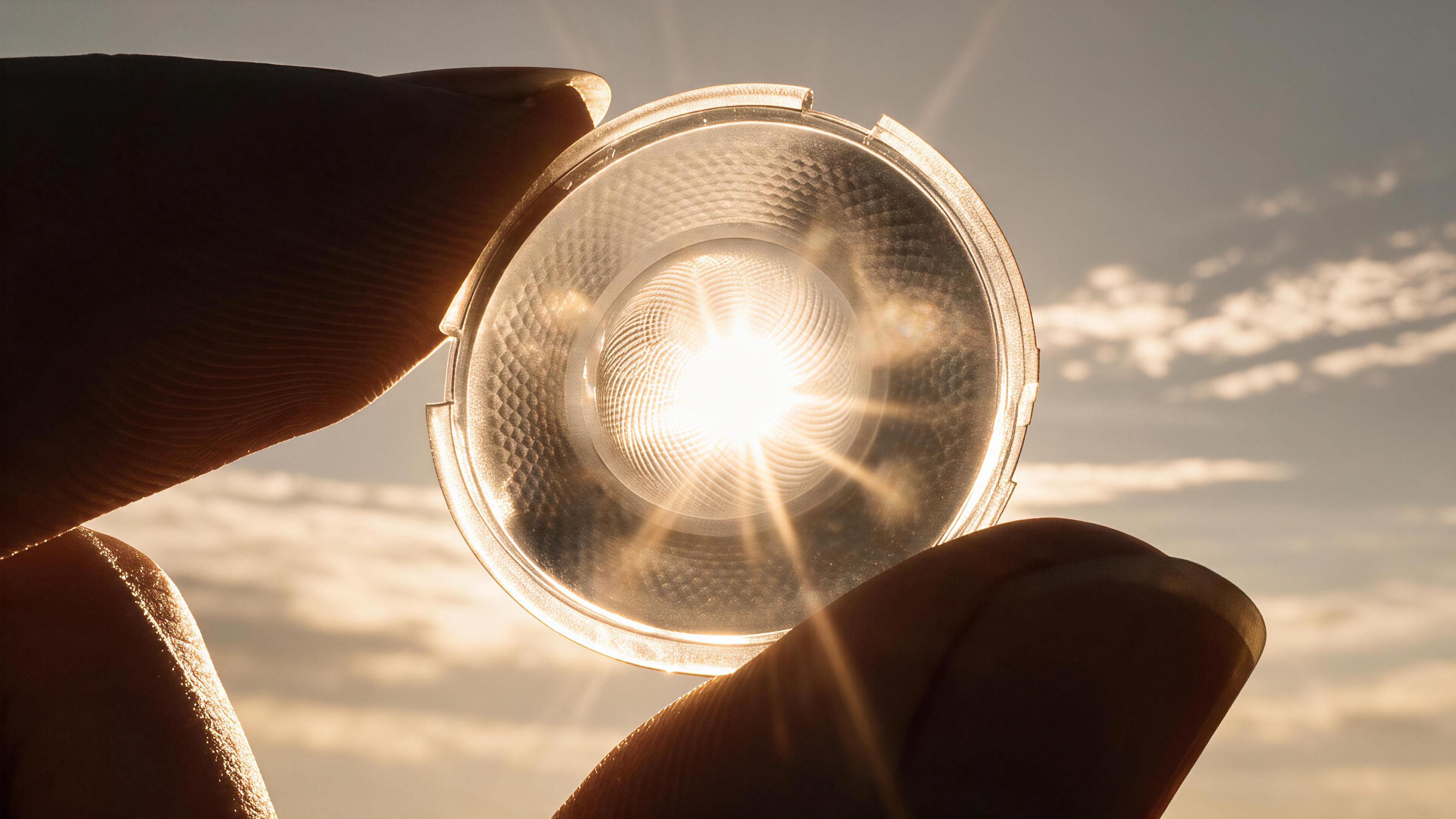
Glare control depends on optical quality as much as fixture depth. A well-engineered reflector gathers LED output and directs it into a controlled beam with limited spill light. Lens systems can refine beam shape, soften transitions, or deliver narrow distribution for accent lighting.
The appropriate beam angle depends on the task. Narrow beams can create strong focal contrast for sculptures, display tables, and vertical retail features, but they require accurate aiming and spacing. Medium beams are often more forgiving for general accent lighting. Wide beams support uniform wall washing or broad merchandise illumination, although they need careful shielding to prevent spill into guest or customer sightlines.
A fixture's cutoff angle describes how effectively its structure shields the source from view. In practice, the key question is simple: can an occupant see the bright LED or reflector while walking, sitting, working, or looking toward a focal point?
This requires evaluating sightlines at the actual mounting location, not only reviewing a catalog image. A spotlight above a retail circulation path, for example, may look comfortable from directly below but become distracting when viewed from the opposite aisle. In restaurants, luminaires located near banquettes should be assessed from a seated eye level. In offices, they should be considered in relation to monitor positions and reflective work surfaces.
Even a high-quality anti-glare spotlight will underperform if it is placed, aimed, or spaced without regard for the space. Glare control is a system decision involving fixture selection, mounting position, beam angle, aiming, dimming, surface finishes, and daylight conditions.
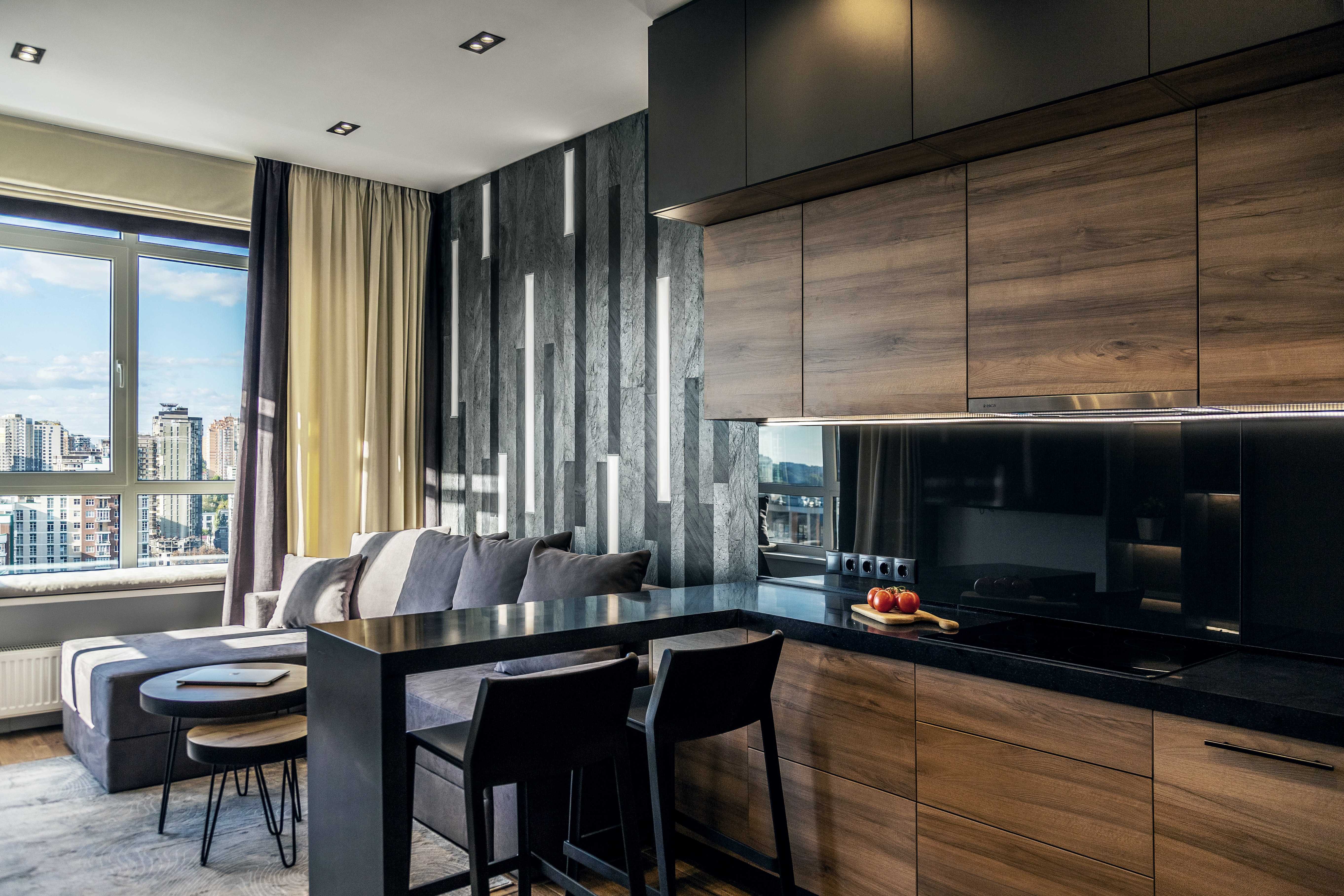
For vertical illumination, positioning is especially important. A wall washer installed too close to the wall can create a bright upper band and uneven falloff. Installed too far away, it may throw light into circulation areas and increase reflected glare. The preferred distance depends on ceiling height, beam distribution, wall texture, and the intended visual effect.
Aiming also deserves more attention than it often receives on site. Adjustable spotlights should be oriented so the beam reaches the target without exposing the brightest part of the optic to primary viewing directions. This is one reason wide-angle adjustability is valuable: it allows designers and installers to fine-tune focal lighting around shelving, artwork, changing displays, and furniture layouts without compromising the ceiling plan.
Dimming supports glare control as well. A scene that is comfortable during daytime may feel too bright after sunset, particularly when external daylight disappears and interior luminaires become the dominant visual source. Smooth dimming lets operators preserve hierarchy and atmosphere across different operating hours. It should be specified alongside compatible drivers and control protocols, rather than treated as an optional final-stage addition.
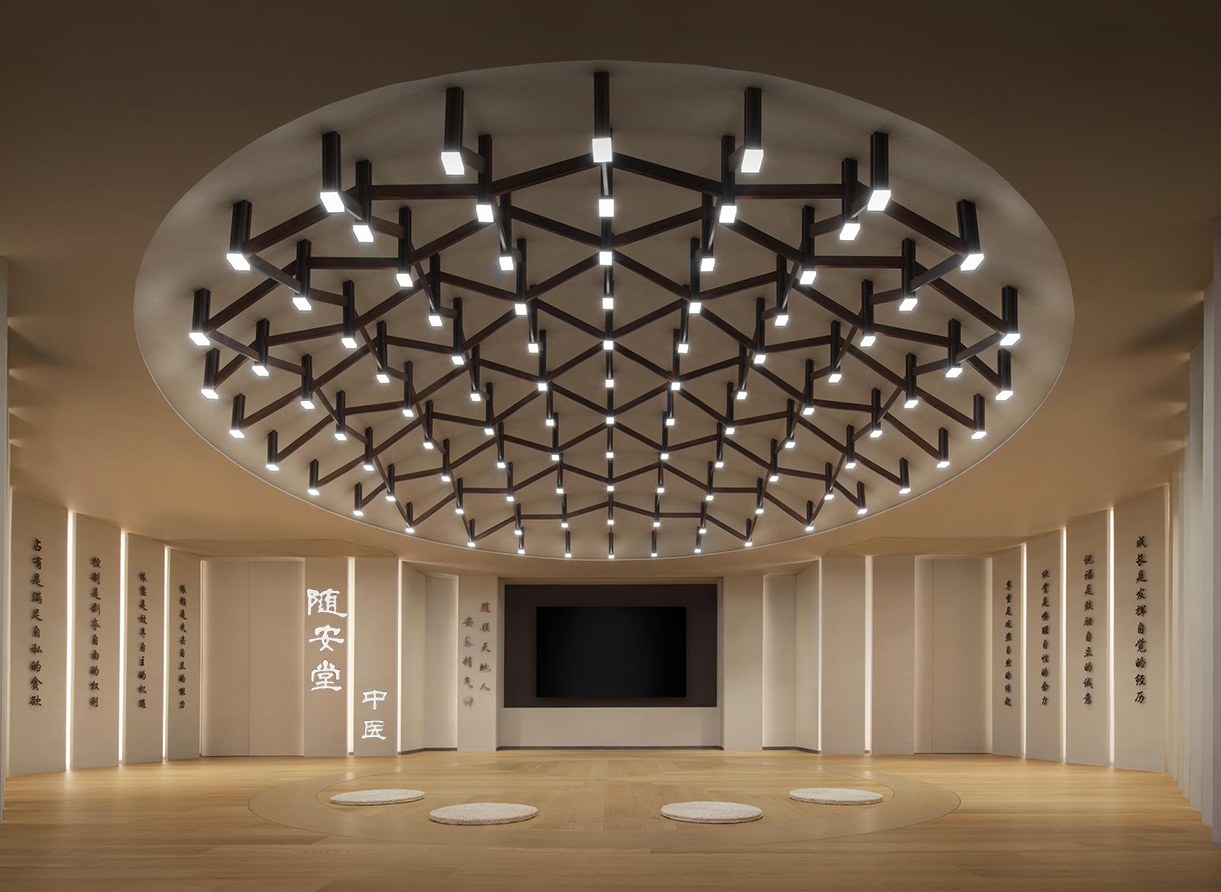
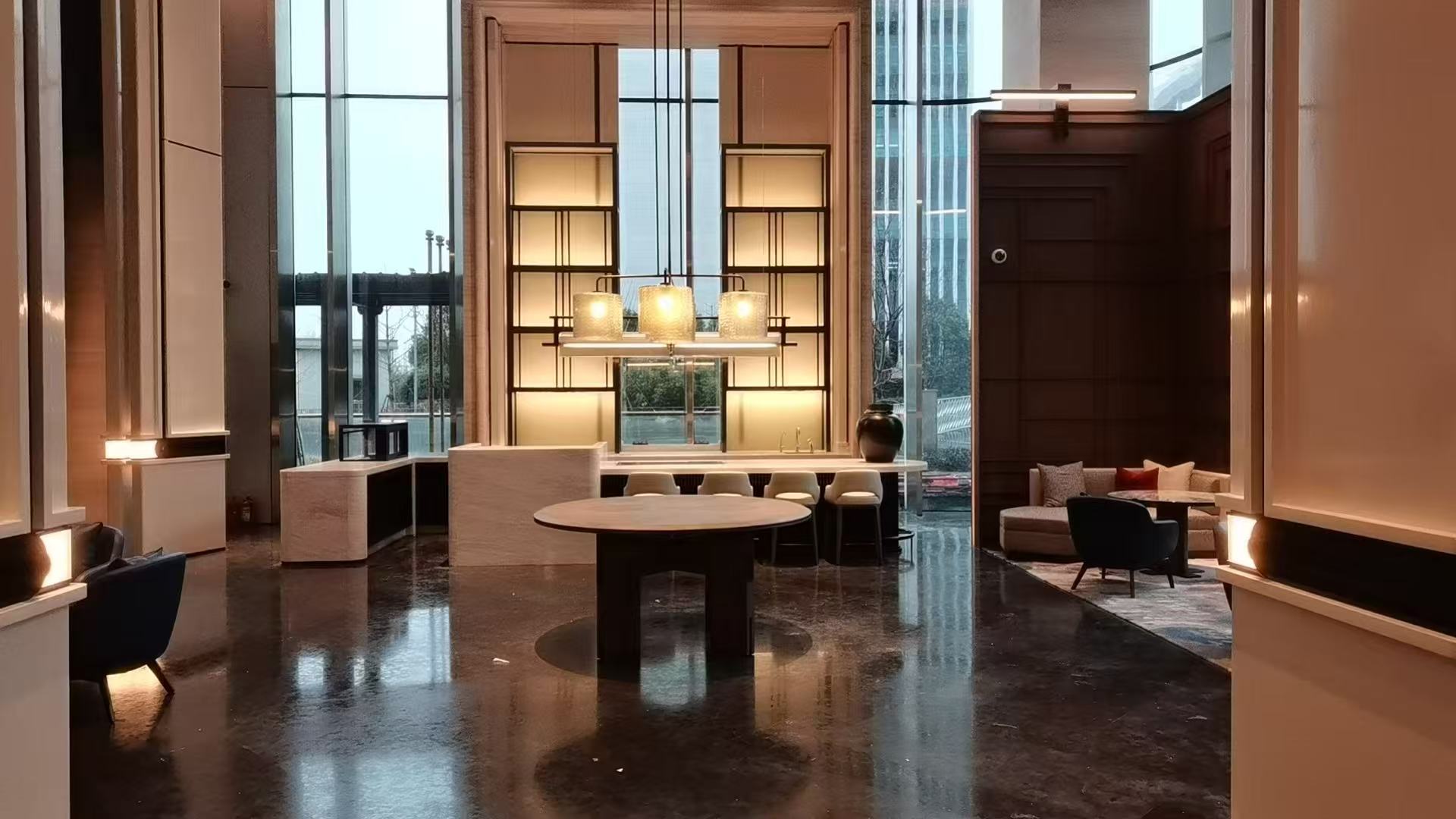
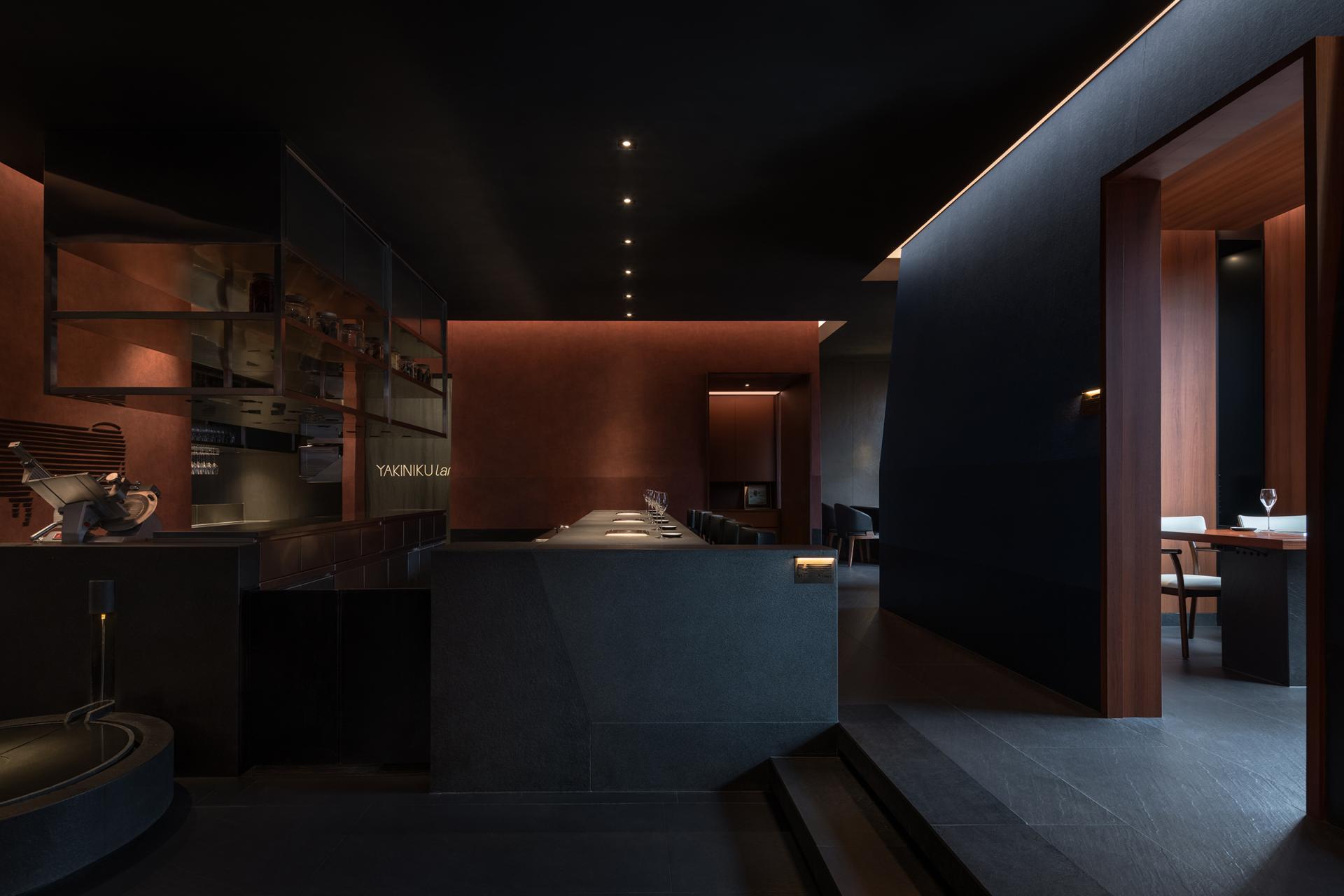
In hospitality, anti-glare lighting protects atmosphere. Guests should see the warmth of materials, the texture of walls, and the destination points within a lobby or restaurant without feeling exposed to harsh ceiling brightness. Deep-recessed spotlights and controlled accent beams can give tables, artwork, and feature surfaces presence while keeping the overall environment calm.
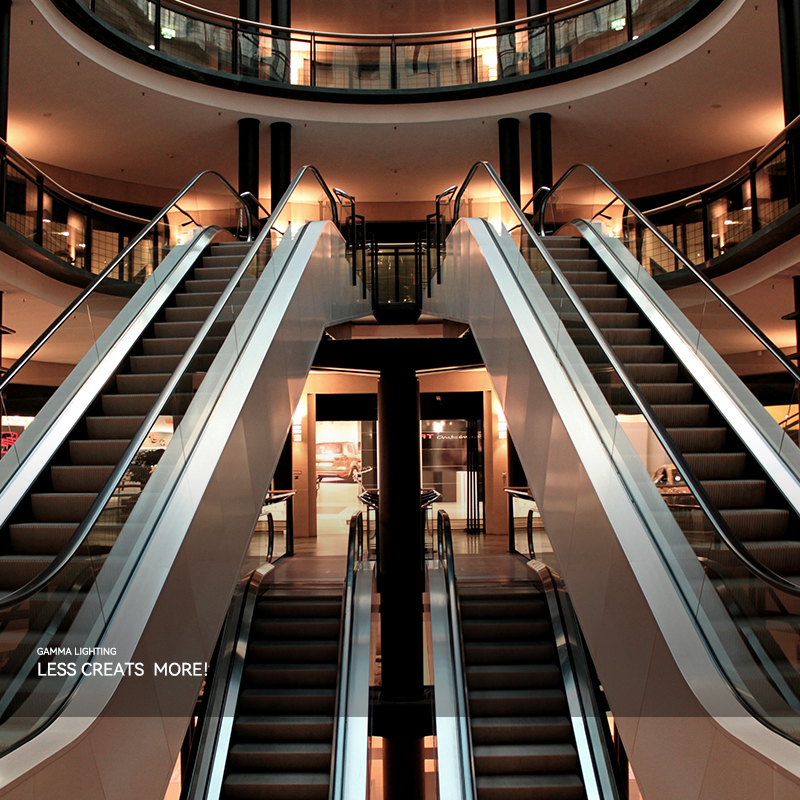
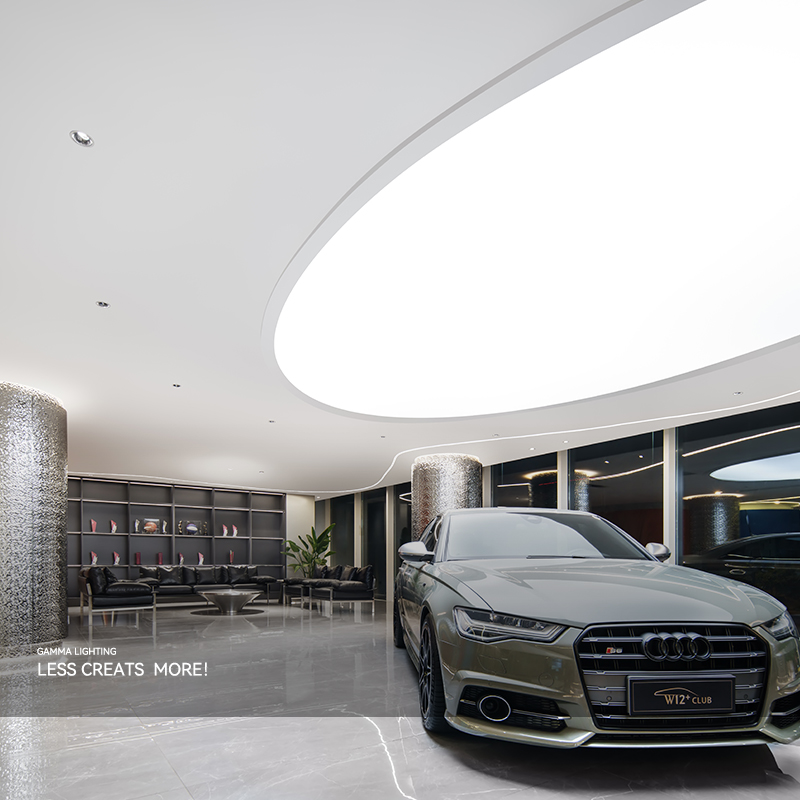
In retail, comfort must work alongside visual emphasis. Spotlighting is used to guide attention toward merchandise, mannequins, and branded display zones. Excessive glare can make glossy packaging difficult to view and can reduce the apparent quality of the display. Beam control, color consistency, and accurate aiming are therefore as important as high color rendering.
Gallery and exhibition projects demand an even more disciplined approach. The light source must remain visually quiet while delivering precise distribution onto artwork. Depending on the exhibit, the specification may require narrow beams, framing accessories, low ultraviolet and infrared output, and carefully managed intensity to protect sensitive materials. Here, the best fixture is rarely the one with the highest output. It is the one that delivers the required effect with the least visual intrusion.
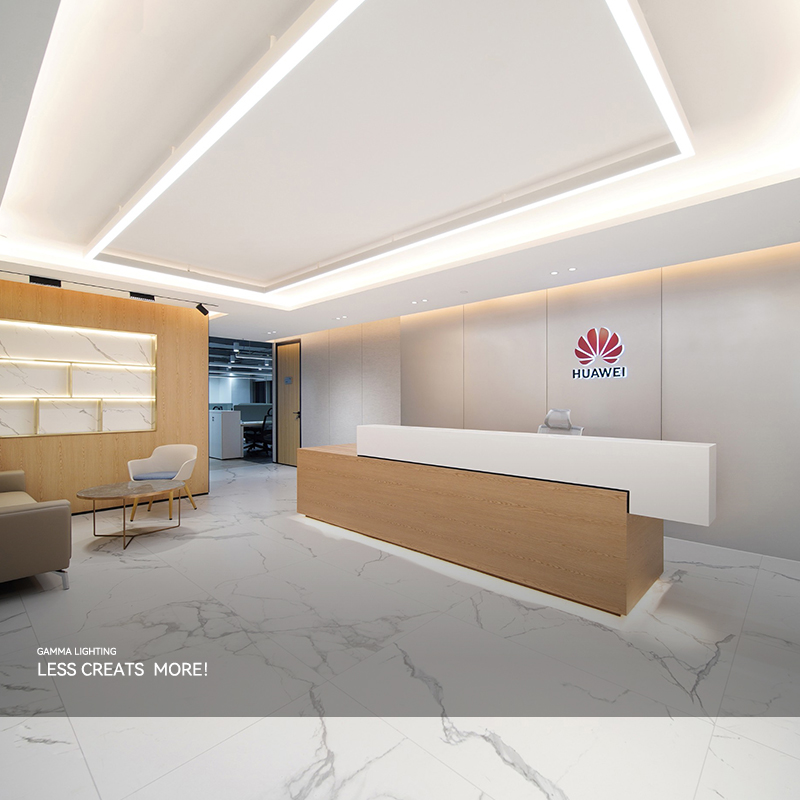
For offices and meeting spaces, the focus shifts toward sustained comfort. Spotlights can effectively support reception zones, presentation walls, circulation, and collaborative settings, but they should not create reflected brightness on screens or uncomfortable contrast around workstations. A layered plan that combines low-glare task and ambient lighting with controlled accent lighting is usually more effective than relying on spotlights for every function.
Before selecting an anti-glare spotlight, project teams should verify more than wattage and lumen output. The critical questions include the depth of the light source, optical distribution, shielding accessories, adjustability range, driver compatibility, dimming performance, thermal management, color consistency, and maintenance access.
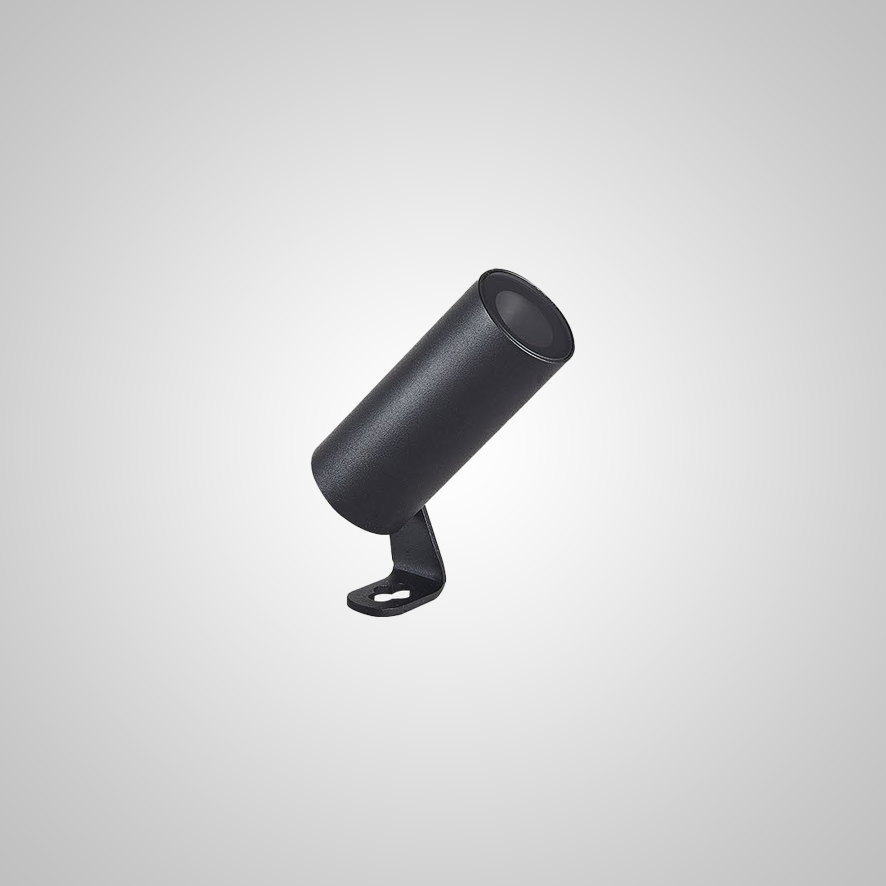
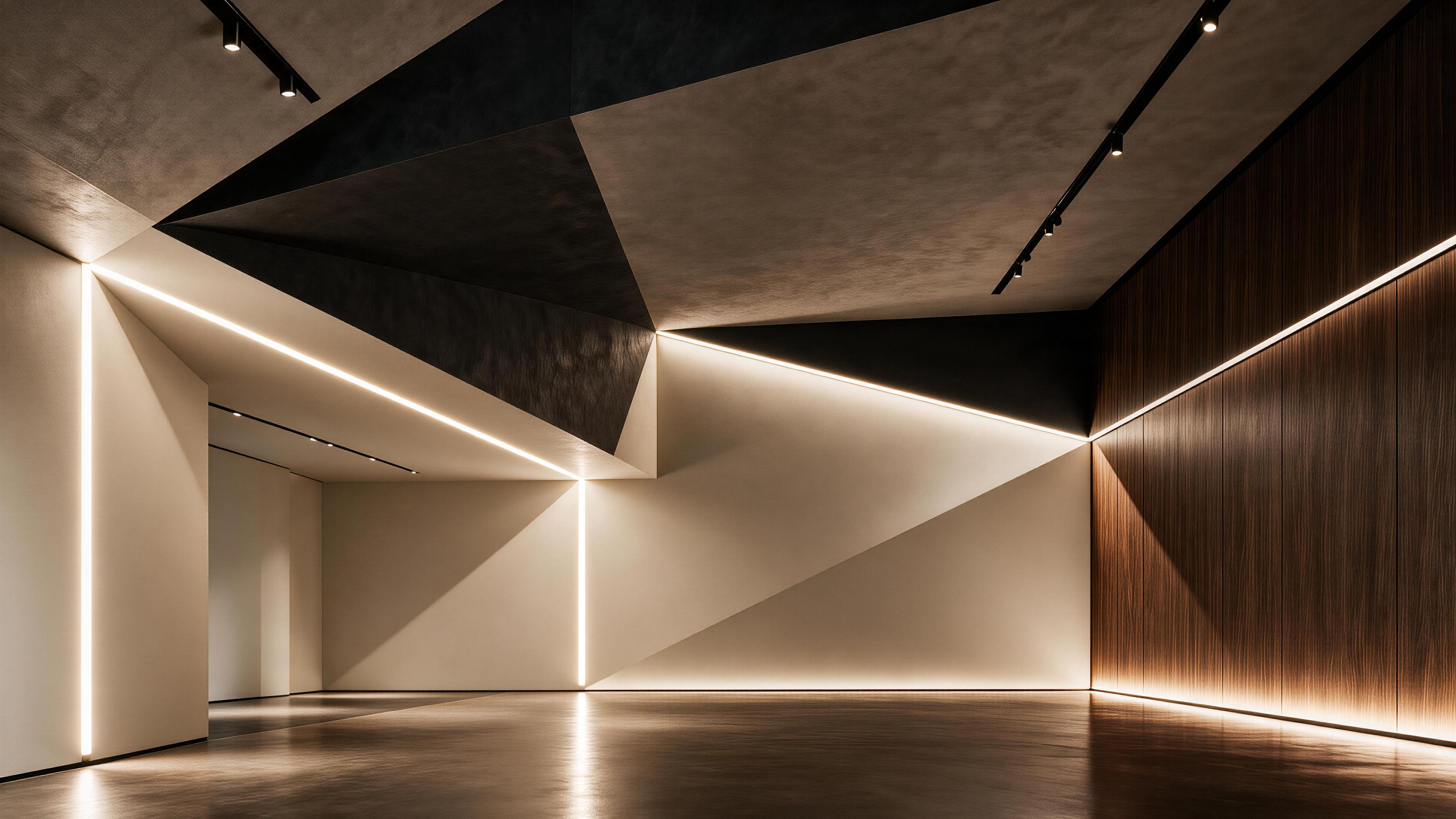
Architectural integration matters as well. Trim color, aperture size, cylinder proportion, track adapter profile, and ceiling detail all affect whether the fixture supports the intended design language. A compact black anti-glare spotlight may visually disappear in an open dark ceiling, while a refined white recessed option may be better suited to a minimal hospitality ceiling. Neither is universally correct. The right choice follows the space, viewing angles, and lighting hierarchy.
Customization can be valuable where standard dimensions, beam angles, finishes, or mounting conditions do not fit the project. Gamma Lighting supports tailored lighting solutions without minimum order quantity requirements, allowing project teams to address specialized display details, ceiling constraints, and architectural aesthetics without forcing a standard fixture into a nonstandard application.
The strongest anti-glare lighting is rarely noticed as a product. People notice the artwork, the merchandise, the materials, and the sense of comfort the space creates. That is the standard worth specifying: illumination that performs with precision while allowing the architecture to remain the primary experience.